Sunburn
How to cool and soothe sunburn, which after-sun products and painkillers help, how to protect children, and the warning signs that need a doctor.
How to clean and dress a coral cut, why coral wounds often get infected, when you may need a tetanus booster, and the warning signs that need a doctor.
Most coral cuts and scrapes heal with careful first aid. They need more care than an ordinary cut, because they are often dirty and slow to heal. Clean the cut well, remove any coral, cover it and keep it out of the sea until it heals. See a doctor quickly if it becomes red, swollen, hot or more painful, or if you get a fever.
What to do now:
Coral cuts and scrapes are most common on the feet, the ankles and the backs of the hands. Some corals also sting with tiny cells, so the area may burn, itch or turn red.
Cuts from the sea are often slow to heal. DermNet, a skin reference, links this to repeated contact with seawater and to sand left in the wound.
Fire coral and some other corals sting rather than cut. Contact causes burning pain and an itchy red rash. For first aid, read our guide to jellyfish, fire coral and other sea stings.
Check the wound every day for signs of infection.
DermNet recommends tetanus protection after coral injuries. Tetanus is rare but serious, and the risk is higher with large, deep or dirty wounds.
Advice on boosters differs between countries:
If you are not fully vaccinated, or you do not know, see a doctor soon after the injury. They will decide whether you need a booster or another treatment.
Products that can help:
An infected wound needs a doctor. Antibiotics are prescription-only medicines, so a doctor decides whether you need them. See our first aid range, or read our Ras Mohammed day trip pharmacy kit before a boat day.
Children. Use the same first aid, and give children reef shoes too. Check that their vaccinations, including tetanus, are up to date. Do not give aspirin to children under 16. Ask our pharmacist before giving any medicine.
Pregnancy. First aid is the same. Paracetamol is usually the preferred painkiller in pregnancy. Avoid ibuprofen unless a doctor or pharmacist advises it. If a doctor suggests a tetanus booster, tell them you are pregnant. The NHS says non-live (inactivated) vaccines are safe in pregnancy.
Older people and long-term conditions. Liver disease, diabetes, cancer and a weak immune system raise the risk of serious Vibrio infection. So do medicines that lower stomach acid. People aged 80 or over, and people with diabetes, are also at higher risk of tetanus. If this applies to you, see a doctor early, even for a small cut.
See a doctor urgently if:
Get emergency help if the bleeding will not stop, or the wound is very large or deep. Call too if something is stuck deep in it. Also call for a stiff jaw, muscle spasms, difficulty breathing, confusion, fainting, or cold, clammy or blotchy skin. In Egypt, call 123 for an ambulance.
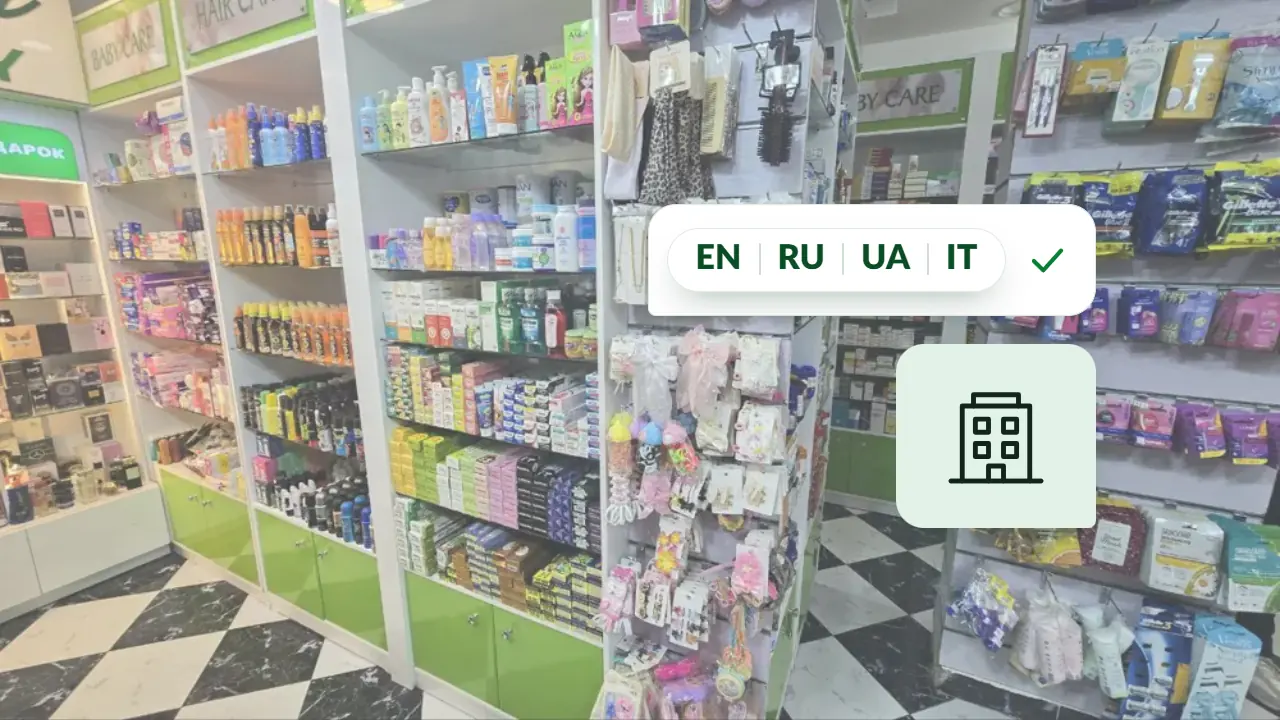
Need dressings, plasters or painkillers after a coral cut? Message us on WhatsApp or call +20 120 344 2201. Our pharmacists speak English, Russian, Ukrainian and Italian, and can tell you if your cut needs a doctor. We have 5 pharmacies across Sharm El Sheikh, and we offer free hotel delivery on orders from $30.
FAQ
Leave the water and press on any bleeding until it stops. Remove visible pieces of coral, then rinse the cut well with plenty of clean water, such as bottled water. Wash the skin around it with soap, pat it dry and cover it. Check it every day, because coral cuts often heal slowly.
Wounds from the sea are often dirty. Small pieces of coral, sand and bacteria can stay in the cut, and repeated contact with seawater slows healing. Vibrio bacteria live naturally in coastal seawater and can infect open wounds. This is more dangerous for people with liver disease, diabetes or a weak immune system.
Possibly. DermNet recommends tetanus protection after coral injuries. Mayo Clinic advises a tetanus shot if your last one was more than 5 years ago and the wound is deep or dirty. If you are not fully vaccinated, or you are not sure, see a doctor soon after the injury.
It is safer to stay out of the sea until the cut has closed. The CDC advises people with open wounds to stay out of salt water if possible. If you do go in, cover the cut with a waterproof dressing. Wash it with soap and clean running water as soon as you come out.
Watch for redness or a change in skin colour that spreads, swelling, warmth, increasing pain, pus or a fever. Some sea infections spread fast, so see a doctor straight away and do not wait. A wound that will not heal, or a sore that keeps growing, also needs a doctor.
No. Fire coral stings rather than cuts. It causes burning pain and an itchy red rash. Rinse the area with seawater, remove any pieces, then soak it in water as hot as you can comfortably bear. Our guide to jellyfish and sea stings explains the full first aid.
Last updated 8 October 2026. General information, not a diagnosis: always read the leaflet and ask a pharmacist or doctor.
How to cool and soothe sunburn, which after-sun products and painkillers help, how to protect children, and the warning signs that need a doctor.
How to spot heat exhaustion, heatstroke and dehydration, how to cool someone down, what to buy at the pharmacy, and when to call 123.
Most traveller's diarrhoea settles in a few days. How to replace fluids, what to eat, which pharmacy products can help and when to see a doctor.
How to rehydrate after vomiting, which buffet foods and drinks carry more risk, what to buy at the pharmacy and the warning signs that need a doctor.
What to do after a jellyfish or fire coral sting, a sea urchin spine or a venomous fish sting in the Red Sea, including the vinegar question and the warning signs.
How to prevent and ease seasickness on boat trips from Sharm El Sheikh: simple tips first, the types of medicine to ask about, children and pregnancy, and warning signs.
How to recognise swimmer's ear after snorkelling, what helps, when ear drops need a doctor, how it differs from ear pain after diving, and how to prevent it.

Why air-conditioning can leave your throat sore and your nose blocked, how to tell it from a cold or an allergy, what helps, and when to see a doctor.
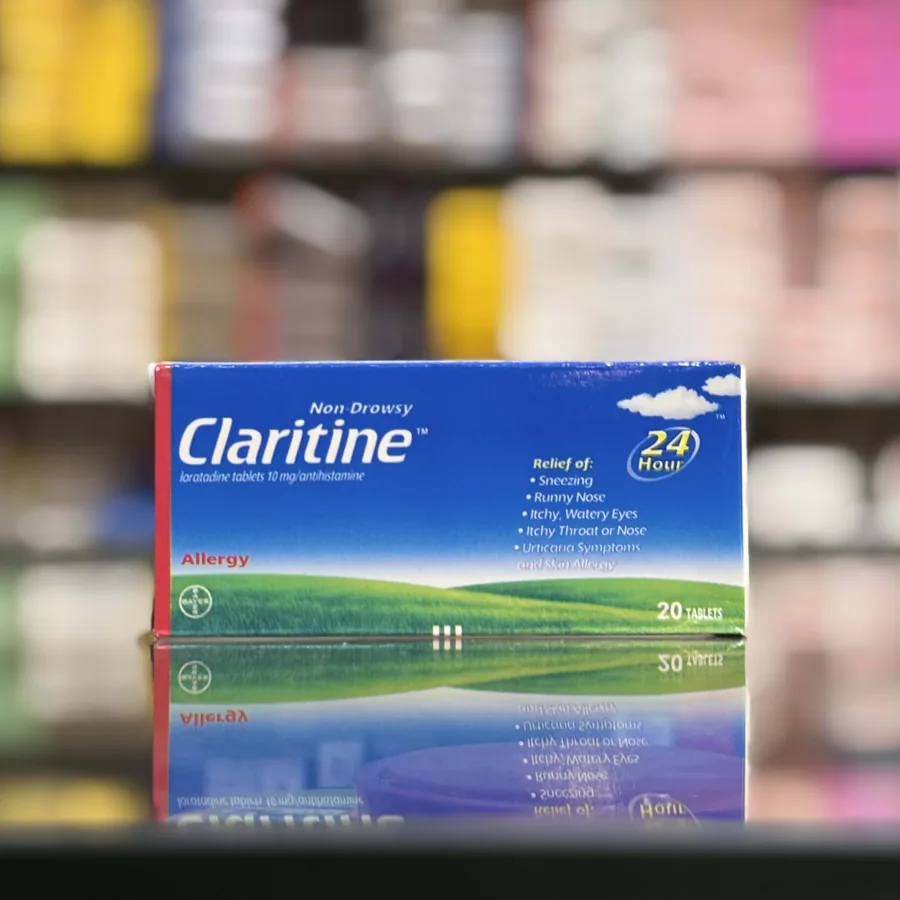
How to treat mosquito bites and bee or wasp stings, which repellents work, how antihistamines such as loratadine help, and the signs of a severe allergic reaction.
How to check your child's temperature, keep them comfortable, tell a fever from heat illness and recognise the warning signs that need a doctor.
Need something now?
Send a photo of the box or describe what you need. Free delivery to your hotel from $30.
Why choose us
5 pharmacies across Sharm El Sheikh
Open daily until 1:00 AM · All pharmacies