Sunburn
How to cool and soothe sunburn, which after-sun products and painkillers help, how to protect children, and the warning signs that need a doctor.
How to prevent and ease seasickness on boat trips from Sharm El Sheikh: simple tips first, the types of medicine to ask about, children and pregnancy, and warning signs.
Seasickness is common on boat trips, and simple steps often prevent it or make it milder. Sit in the middle of the boat, in the fresh air, and look at the horizon. If you need a medicine, take it before the boat leaves. Ask our pharmacist which type suits you, because many cause drowsiness.
What to do now:
Seasickness is motion sickness at sea. Your inner ear senses the boat moving, but your eyes send your brain different signals. These mixed messages make you feel unwell.
Symptoms often build up slowly. They can include:
Almost anyone can get seasick if the motion is strong enough. It is most common in children aged 7 to 12. People who get migraines are also more prone to it. Tiredness, alcohol and smoking make it worse.
A short rocking feeling after you step ashore is normal and usually passes within a few hours. If sickness or dizziness lasts much longer, see a doctor.
Try these simple steps first, before any medicine.
Choose your place. Sit in the middle of the boat, where the motion is smallest, not at the front. Stay on deck in the fresh air, where you can see the horizon.
Look at the horizon. Keep your eyes on the horizon or another fixed point. Do not watch the waves.
Keep still. Avoid turning or nodding your head. Lying down can help, mainly because it keeps your head still.
Breathe slowly. Close your eyes and breathe slowly and regularly. In laboratory trials, this worked about half as well as anti-sickness medicines.
Try ginger or a wristband. The NHS suggests ginger as a tablet, biscuit or tea. Acupressure wristbands do not work for everyone, and the CDC says the evidence for both is weak.
Drink and eat lightly. Take small sips of water, especially if you have been sick. Avoid heavy meals, spicy food and alcohol before and during the trip.
Medicines are most effective when you take them before the boat leaves. Once you feel sick, your stomach may not absorb tablets well. Follow the leaflet for timing.
There are two main types:
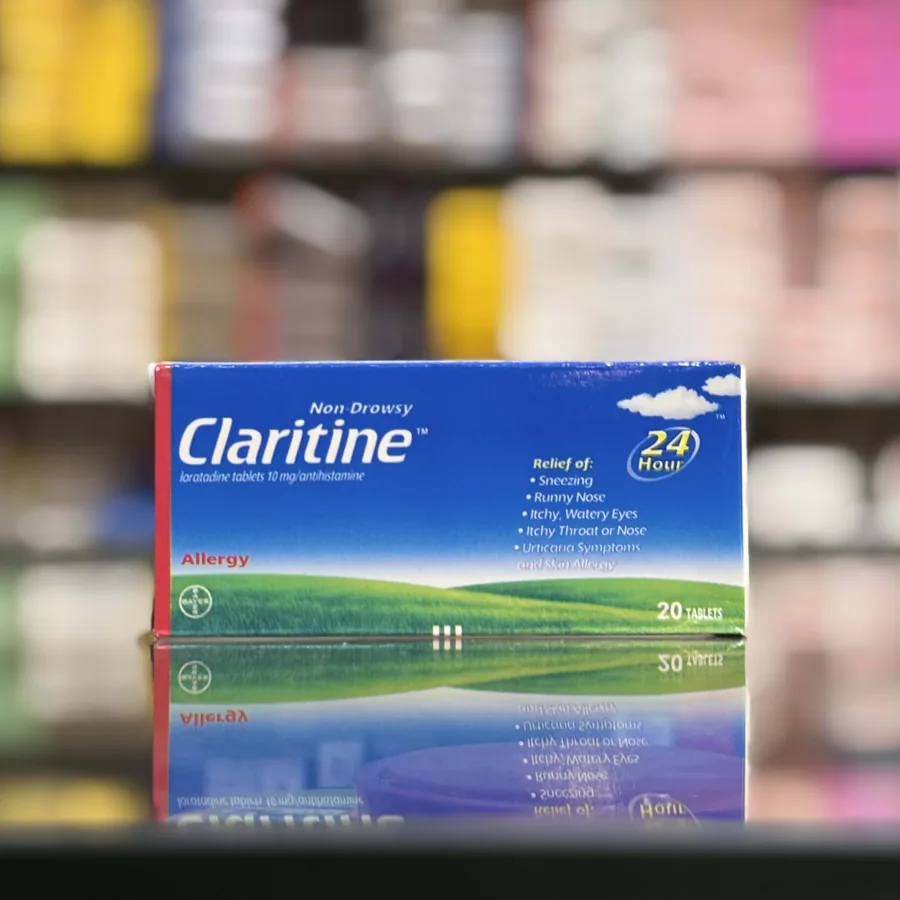
Non-drowsy allergy tablets, such as Claritine (loratadine), do not prevent seasickness. They are designed not to reach the brain, where travel sickness medicines work.
Seasickness medicines are not suitable for everyone. Some may not suit people aged 60 or over. They may also not suit people with glaucoma, prostate problems, epilepsy, or heart, liver or kidney problems. Alcohol makes the drowsiness worse. Tell our pharmacist about your health and any other medicines you take.
Planning to snorkel or dive? Tell the pharmacist before you choose. The CDC notes that some medicines can raise the risk of drowning.
Products that can help:
Going on a day trip? We can help you put together a travel health kit for the boat. For a full packing list, read our Ras Mohammed day trip pharmacy kit.
Children. Children under 2 rarely get motion sickness. Try the simple steps first: fresh air, the horizon, and distraction with talking, music or songs. Do not give any seasickness medicine without asking a pharmacist or doctor. Age limits differ, and some medicines are not suitable for young children. Some children become agitated rather than sleepy, and too much of a drowsy medicine can be dangerous. Every child on a boat should wear a life jacket.
Pregnancy. Pregnancy can make motion sickness more likely. Start with the simple steps. Some seasickness medicines, such as hyoscine and cinnarizine, are not usually recommended in pregnancy. Others may be used. Ask a doctor or pharmacist before you take anything. Do the same if you are breastfeeding. Ferry companies may refuse women late in pregnancy, so check the boat company’s rules before you book.
Older people and long-term conditions. Tell our pharmacist about every medicine you take. Some seasickness medicines may not suit older people or people with some long-term conditions. After the trip, take care on steps and jetties, because a rocking feeling can affect your balance.
See a doctor urgently if:
Get emergency help if someone vomits blood or something that looks like ground coffee. Call too for a sudden, severe headache or tummy pain, or a stiff neck. The same applies to confusion, not responding, a swollen throat or difficulty breathing. In Egypt, call 123 for an ambulance.
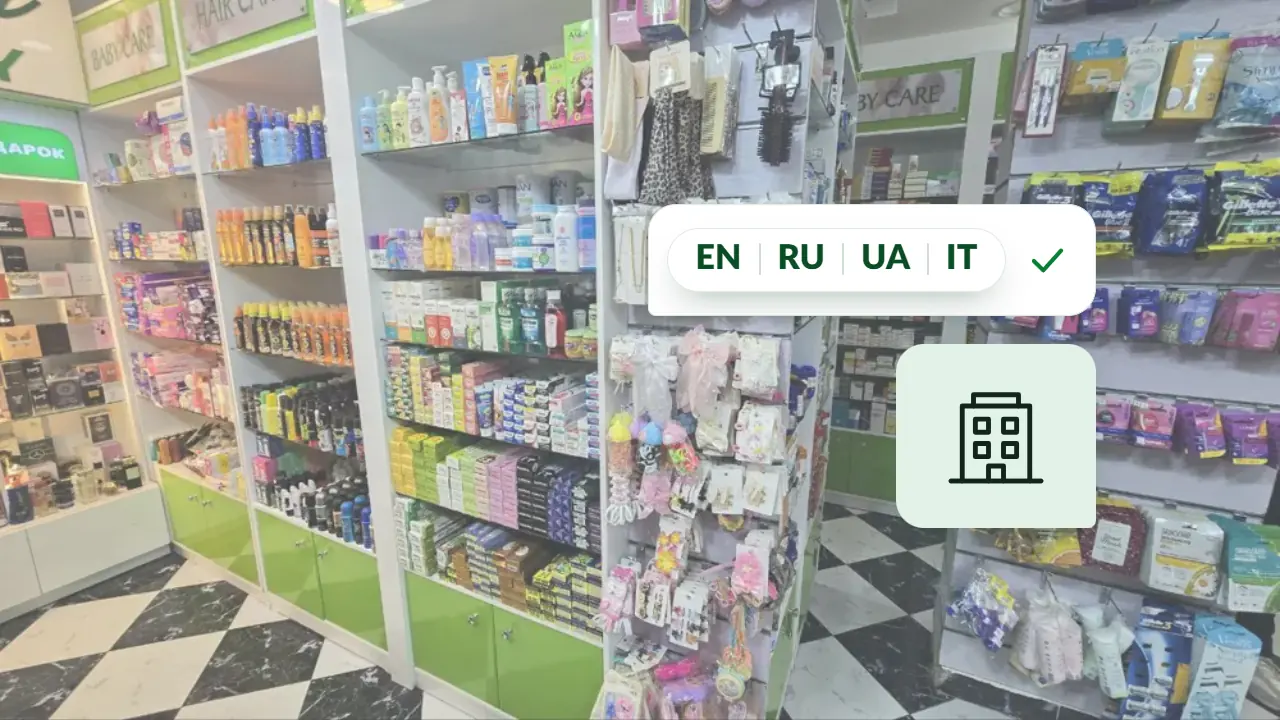
Going on a boat trip? Message us on WhatsApp or call +20 120 344 2201 the day before. Our pharmacists speak English, Russian, Ukrainian and Italian, and can help you choose. We have 5 pharmacies across Sharm El Sheikh, and we offer free hotel delivery on orders from $30. Registered medicines are sold at the official prices set in Egypt.
FAQ
Sit in the middle of the boat, in the fresh air, and look at the horizon. Do not read or use your phone. Avoid alcohol, heavy meals and spicy food before and during the trip, and sleep well the night before. If you need a medicine, ask our pharmacist before the day of the trip.
The main types are hyoscine tablets, also called scopolamine, and older antihistamines that cause drowsiness. They work better when you take them before the boat leaves. Many cause drowsiness, and they are not suitable for everyone. Children should not take them without advice. Ask our pharmacist which type suits you, and follow the leaflet.
No. Claritine contains loratadine, a non-drowsy allergy medicine. The CDC explains that non-drowsy antihistamines such as loratadine and cetirizine do not work for motion sickness, because they are designed not to enter the brain. Ask our pharmacist for a product made for travel sickness instead.
Only after advice from a pharmacist or doctor. Age limits differ between medicines, and some are not suitable for young children. Some children become agitated instead of sleepy, and too much of a drowsy medicine can be dangerous for a young child. Try fresh air, the horizon and distraction first.
Be careful. Many seasickness medicines can cause drowsiness, dizziness or blurred vision. The CDC notes that some medicines can raise the risk of drowning. It also says there are no scientific data on the safe use of medicines while diving. Tell our pharmacist and your dive centre about your plans first.
They help some people, but not everyone. The NHS suggests trying ginger as a tablet, biscuit or tea. The CDC says the evidence for ginger is weak, and acupressure bands worked no better than a placebo in trials. If a band helps you, the CDC says it may still be useful.
Last updated 8 October 2026. General information, not a diagnosis: always read the leaflet and ask a pharmacist or doctor.
How to cool and soothe sunburn, which after-sun products and painkillers help, how to protect children, and the warning signs that need a doctor.
How to spot heat exhaustion, heatstroke and dehydration, how to cool someone down, what to buy at the pharmacy, and when to call 123.
Most traveller's diarrhoea settles in a few days. How to replace fluids, what to eat, which pharmacy products can help and when to see a doctor.
How to rehydrate after vomiting, which buffet foods and drinks carry more risk, what to buy at the pharmacy and the warning signs that need a doctor.
What to do after a jellyfish or fire coral sting, a sea urchin spine or a venomous fish sting in the Red Sea, including the vinegar question and the warning signs.
How to clean and dress a coral cut, why coral wounds often get infected, when you may need a tetanus booster, and the warning signs that need a doctor.
How to recognise swimmer's ear after snorkelling, what helps, when ear drops need a doctor, how it differs from ear pain after diving, and how to prevent it.

Why air-conditioning can leave your throat sore and your nose blocked, how to tell it from a cold or an allergy, what helps, and when to see a doctor.
How to treat mosquito bites and bee or wasp stings, which repellents work, how antihistamines such as loratadine help, and the signs of a severe allergic reaction.
How to check your child's temperature, keep them comfortable, tell a fever from heat illness and recognise the warning signs that need a doctor.
Need something now?
Send a photo of the box or describe what you need. Free delivery to your hotel from $30.
Why choose us
5 pharmacies across Sharm El Sheikh
Open daily until 1:00 AM · All pharmacies