Sunburn
How to cool and soothe sunburn, which after-sun products and painkillers help, how to protect children, and the warning signs that need a doctor.
How to rehydrate after vomiting, which buffet foods and drinks carry more risk, what to buy at the pharmacy and the warning signs that need a doctor.
Food poisoning is rarely serious and usually gets better within a week, with rest and small, frequent sips of fluid. Vomiting normally stops within 1 or 2 days. See a doctor if you cannot keep fluids down, see blood, or a baby is unwell.
What to do now:
Food poisoning comes from food or drink contaminated with germs or their toxins. Symptoms include feeling or being sick, diarrhoea, stomach cramps, a high temperature and feeling generally unwell.
They usually start within hours or days of the meal, but sometimes weeks later. If diarrhoea is your main problem, read our guide to traveller’s diarrhoea.
| Starts after | Typical symptoms | Common sources |
|---|---|---|
| 30 minutes to 8 hours | Nausea, vomiting, cramps, diarrhoea | Foods not cooked after handling, such as sliced meats, sandwiches, pastries and creamy desserts |
| 6 to 24 hours | Diarrhoea and cramps, usually without vomiting or fever | Large batches of meat, poultry or sauce kept at unsafe temperatures |
| 12 to 48 hours | Vomiting, diarrhoea, stomach pain | Norovirus, from food, unsafe water, ill people or surfaces |
| 6 hours to 6 days | Diarrhoea (sometimes bloody), fever, cramps | Undercooked chicken, meat or eggs, and unpasteurised milk |
Source: CDC. Whatever the cause, replace lost fluid first.
Some fish toxins survive cooking. Scombroid poisoning causes flushing, headache, itching and diarrhoea within an hour of eating. It comes from fish such as tuna that was not kept cold.
Ciguatera comes from large tropical reef fish, such as barracuda. Vomiting and diarrhoea come first, then tingling or numbness. See a doctor if this happens after eating fish.
Sip fluids little and often. After vomiting, start with a few sips of water, then slowly drink more.
Use oral rehydration salts if you are losing a lot of fluid. They replace lost sugar, salts and minerals. Mix them with bottled water as the pack says, and ask our pharmacist which one suits you.
Choose your drinks. Fruit juice and fizzy drinks can make diarrhoea worse. Caffeine and alcohol add to dehydration.
Eat when you feel able to. It may help to avoid fatty or spicy food.
Rest somewhere cool. Sweating in the heat adds to fluid loss, so drink more and avoid the midday sun.
Ease discomfort. Paracetamol can help with pain or a high temperature. Check the leaflet before giving it to a child.
Stop it spreading. Norovirus spreads very easily, and alcohol gels do not kill it. Wash your hands with soap and water, and clean toilet seats, flush handles, taps and door handles.
Wash soiled clothes and bedding separately at 60°C. Avoid the pool and the kids’ club until 48 hours after your symptoms stop.
Products that can help:
For diarrhoea medicines and who should not use them, see our traveller’s diarrhoea guide. Ask us what is in stock today.
Babies and young children. Children under 5 are at higher risk, because food poisoning can lead to dehydration. Keep breastfeeding or bottle feeding, giving smaller feeds more often if your baby is being sick.
Make up formula with bottled or boiled water as the pack says, and use it within 2 hours. If your child has a high temperature, see our guide to a child’s fever on holiday.
Pregnancy. Pregnant women are 10 times more likely to get a listeria infection. Avoid raw or undercooked meat, raw fish and shellfish, eggs that are not well cooked, and unpasteurised dairy. Smoked fish and cold cured meats should be cooked until steaming hot.
See a doctor if you have a fever with flu-like symptoms, or vomiting and diarrhoea for more than 48 hours. Ask a doctor or pharmacist before taking any medicine.
Older people and long-term conditions. People aged 65 and over are more likely to become seriously ill. So are people with a weakened immune system, for example from diabetes, liver or kidney disease. Ask our pharmacist early about rehydration, and a doctor if you cannot keep your regular medicines down.
See how to choose between a pharmacy, a doctor and a hospital in Sharm. If you are referred to a clinic or hospital, contact your travel insurer quickly.
See a doctor urgently if:
Get emergency help if someone:
In Egypt, call 123 for an ambulance.
Our pharmacists speak English, Russian, Ukrainian and Italian. Message us on WhatsApp or call +20 120 344 2201.
Ask for rehydration salts, paracetamol or a thermometer, with free hotel delivery on orders from $30. We have 5 pharmacies across Sharm El Sheikh, and registered medicines are sold at the official prices set in Egypt.
FAQ
Food poisoning usually gets better within a week, and vomiting normally stops within 1 to 2 days. Symptoms often start a few hours or days after the meal, but sometimes weeks later. See a doctor if vomiting lasts more than 2 days, you cannot keep fluids down, or you see blood.
Take small sips of water often, rather than large drinks. After each bout of vomiting, start with a few sips, then slowly drink more. Oral rehydration salts help if you are losing a lot of fluid. If you keep being sick and cannot keep any fluid down, see a doctor urgently.
Ask a doctor first. Vomiting from food poisoning usually stops within 1 to 2 days, and replacing fluid is the most important treatment. In the UK, common anti-sickness medicines are prescription-only. They are not suitable for everyone, including some children, older people and people with heart problems.
Buffet food carries more risk when it sits out for a long time. Choose dishes that are freshly cooked and steaming hot. Take care with salads, pre-cut fruit, sliced meats, sandwiches and creamy desserts. Avoid raw or undercooked meat, fish, shellfish and eggs, and wash your hands with soap and water before eating.
Unless you are sure the tap water is safe, the CDC advises using sealed bottled water. Use it for drinking, brushing your teeth and making up baby formula. Ask for drinks without ice unless you know it was made from safe water. Tea and coffee made with boiling water are generally safe.
Call 123 for an ambulance if someone vomits blood or has a sudden, severe stomach ache. Call too for blue or blotchy skin, severe breathing problems or confusion. Blurred or double vision, drooping eyelids, slurred speech or difficulty swallowing can be signs of botulism. This is also an emergency.
Last updated 8 October 2026. General information, not a diagnosis: always read the leaflet and ask a pharmacist or doctor.
How to cool and soothe sunburn, which after-sun products and painkillers help, how to protect children, and the warning signs that need a doctor.
How to spot heat exhaustion, heatstroke and dehydration, how to cool someone down, what to buy at the pharmacy, and when to call 123.
Most traveller's diarrhoea settles in a few days. How to replace fluids, what to eat, which pharmacy products can help and when to see a doctor.
What to do after a jellyfish or fire coral sting, a sea urchin spine or a venomous fish sting in the Red Sea, including the vinegar question and the warning signs.
How to clean and dress a coral cut, why coral wounds often get infected, when you may need a tetanus booster, and the warning signs that need a doctor.
How to prevent and ease seasickness on boat trips from Sharm El Sheikh: simple tips first, the types of medicine to ask about, children and pregnancy, and warning signs.
How to recognise swimmer's ear after snorkelling, what helps, when ear drops need a doctor, how it differs from ear pain after diving, and how to prevent it.

Why air-conditioning can leave your throat sore and your nose blocked, how to tell it from a cold or an allergy, what helps, and when to see a doctor.
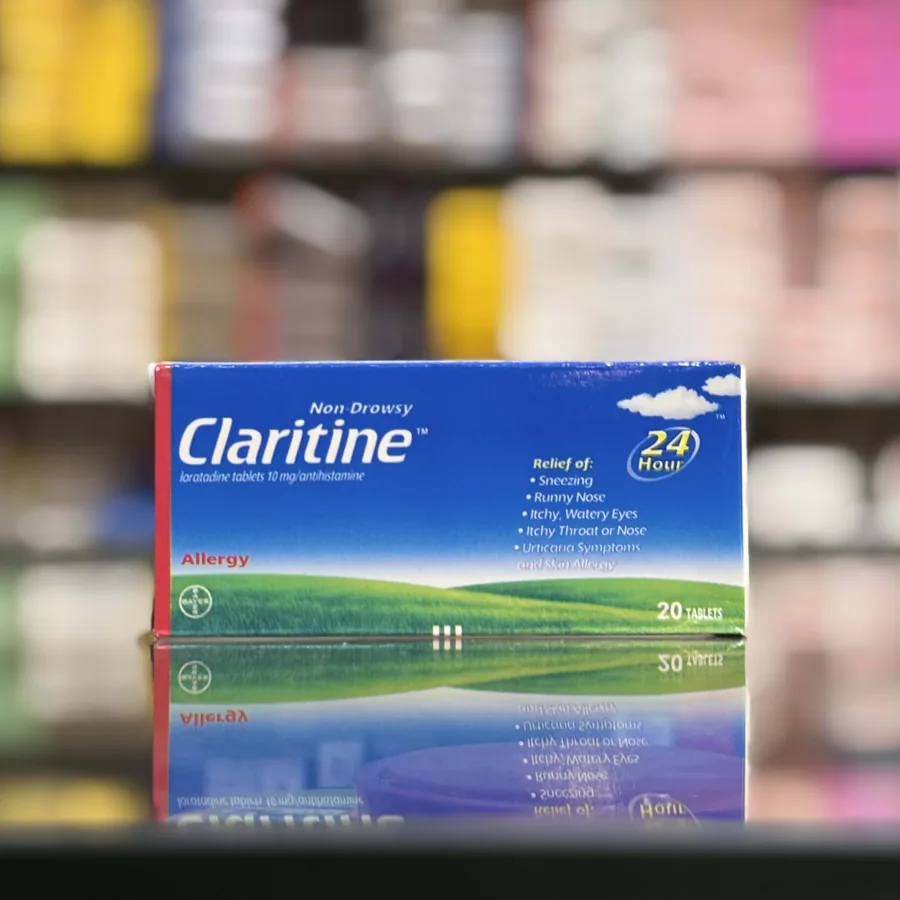
How to treat mosquito bites and bee or wasp stings, which repellents work, how antihistamines such as loratadine help, and the signs of a severe allergic reaction.
How to check your child's temperature, keep them comfortable, tell a fever from heat illness and recognise the warning signs that need a doctor.
Need something now?
Send a photo of the box or describe what you need. Free delivery to your hotel from $30.
Why choose us
5 pharmacies across Sharm El Sheikh
Open daily until 1:00 AM · All pharmacies