Sunburn
How to cool and soothe sunburn, which after-sun products and painkillers help, how to protect children, and the warning signs that need a doctor.
How to check your child's temperature, keep them comfortable, tell a fever from heat illness and recognise the warning signs that need a doctor.
Most children with a fever can be cared for in your hotel room with fluids, rest and close watching. Get urgent help for a baby under 3 months with 38°C or more, or for any child with warning signs. A high temperature is common in young children and usually settles within 1 to 4 days.
What to do now:
Your child may feel hot to touch on the back or chest, feel sweaty or look unwell. Some have a fit, called a febrile seizure.
Place a digital thermometer high in the armpit. Hold the arm against the body as long as the leaflet says. If your child has just had a bath or been wrapped up, wait a few minutes first.
NICE guidance for UK doctors uses “traffic light” signs for feverish children under 5:
In children over 6 months, the temperature alone does not show how ill they are. A fall in temperature after medicine does not prove the illness is mild. Trust your instincts.
Fluids. Offer drinks often. For a breastfed baby, breast milk is the most suitable drink.
Comfort. Dress your child in light clothes, without undressing them or wrapping them up. Offer food if they want it.
Rest. Keep your child in your room or the shade, away from the kids’ club. Check on them regularly, including at night.
Medicine for comfort. Children’s paracetamol or ibuprofen may help a child who is distressed or uncomfortable, if suitable for their age. Follow the leaflet and ask our pharmacist. Use the syringe or spoon provided, never a kitchen teaspoon.
Get medical advice if the medicine does not help or you are worried.
A hot child in Sharm El Sheikh does not always have an infection. After hours in the sun, tiredness, headache, sickness, heavy sweating and cramps may mean heat exhaustion.
Heat exhaustion needs active cooling. Move your child somewhere cool, remove extra clothing and give water or rehydration solution. Spray the skin with cool water and fan them.
They should feel better within 30 minutes. If not, call 123. Call too for hot skin without sweating, fast breathing, confusion or a fit.
Fever medicines such as paracetamol do not help heatstroke and may be harmful. Not sure if it is heat or infection? Get medical advice, and read our guide to heat exhaustion, heatstroke and dehydration.
Fever, heat, vomiting and diarrhoea all cause fluid loss. Look for:
If you see these signs, give small, frequent sips of rehydration solution and get medical advice urgently.
Products that can help:
See our baby and kids products, or message our pharmacist to ask what is in stock today.
To lower the risk of heat illness, dehydration and infection:
Babies. Young babies need urgent help at lower temperatures than older children, as listed below. Ask a doctor or our pharmacist before giving a baby any medicine.
Long-term conditions. If your child has asthma, kidney or liver disease, check fever medicines with a doctor or pharmacist.
Pregnancy. If you are pregnant and develop a fever with flu-like symptoms, see a doctor. Ask a doctor or pharmacist before taking any medicine.
Older relatives. Older adults dehydrate more easily and are more at risk from heat.
Read how to choose between a pharmacy, a doctor and a hospital in Sharm. If you are referred to a clinic or hospital, contact your travel insurer quickly.
See a doctor urgently if your child:
Get emergency help if your child:
In Egypt, call 123 for an ambulance.
Our pharmacists speak English, Russian, Ukrainian and Italian. Message us on WhatsApp or call +20 120 344 2201.
We have 5 pharmacies across Sharm El Sheikh, and we offer free hotel delivery on orders from $30.
Registered medicines are sold at the official prices set in Egypt. If your child has a warning sign, do not wait for a delivery: see a doctor or call 123.
FAQ
For babies and children, the NHS defines a high temperature as 38°C or more. Check it with a digital thermometer under the armpit. A baby under 3 months with 38°C or higher needs a doctor urgently. In older children, how your child looks and behaves matters more than the exact number.
Do not give them at the same time. If one medicine does not help, ask a pharmacist or doctor before trying the other. Only alternate them if a doctor or nurse tells you to. Use children's medicines suitable for your child's age, follow the leaflet and ask our pharmacist if you are unsure.
No. The NHS advises against sponging a child or undressing them to cool them down. A high temperature is the body's natural response to infection. Dress your child in light clothes, without wrapping them up, and offer drinks often. Overheating after time in the sun is different and does need cooling.
Stay calm and note the time. Protect their head, move dangerous objects away, and do not hold them down or put anything in their mouth. When the fit stops, put them in the recovery position. Call 123 if it is their first fit, it lasts over 5 minutes, or breathing is difficult.
A child's high temperature usually returns to normal within 1 to 4 days. See a doctor if it lasts 5 days or more. Go sooner if your child seems to be getting worse, stops drinking, or you are worried. Trust your instincts, because you know your child best.
After hours in the sun, a high temperature with heavy sweating, tiredness, headache, sickness or cramps may be heat exhaustion. Move your child somewhere cool, remove extra clothing, give fluids and cool the skin with cool water. If they are not better within 30 minutes, or become confused, call 123.
Last updated 8 October 2026. General information, not a diagnosis: always read the leaflet and ask a pharmacist or doctor.
How to cool and soothe sunburn, which after-sun products and painkillers help, how to protect children, and the warning signs that need a doctor.
How to spot heat exhaustion, heatstroke and dehydration, how to cool someone down, what to buy at the pharmacy, and when to call 123.
Most traveller's diarrhoea settles in a few days. How to replace fluids, what to eat, which pharmacy products can help and when to see a doctor.
How to rehydrate after vomiting, which buffet foods and drinks carry more risk, what to buy at the pharmacy and the warning signs that need a doctor.
What to do after a jellyfish or fire coral sting, a sea urchin spine or a venomous fish sting in the Red Sea, including the vinegar question and the warning signs.
How to clean and dress a coral cut, why coral wounds often get infected, when you may need a tetanus booster, and the warning signs that need a doctor.
How to prevent and ease seasickness on boat trips from Sharm El Sheikh: simple tips first, the types of medicine to ask about, children and pregnancy, and warning signs.
How to recognise swimmer's ear after snorkelling, what helps, when ear drops need a doctor, how it differs from ear pain after diving, and how to prevent it.

Why air-conditioning can leave your throat sore and your nose blocked, how to tell it from a cold or an allergy, what helps, and when to see a doctor.
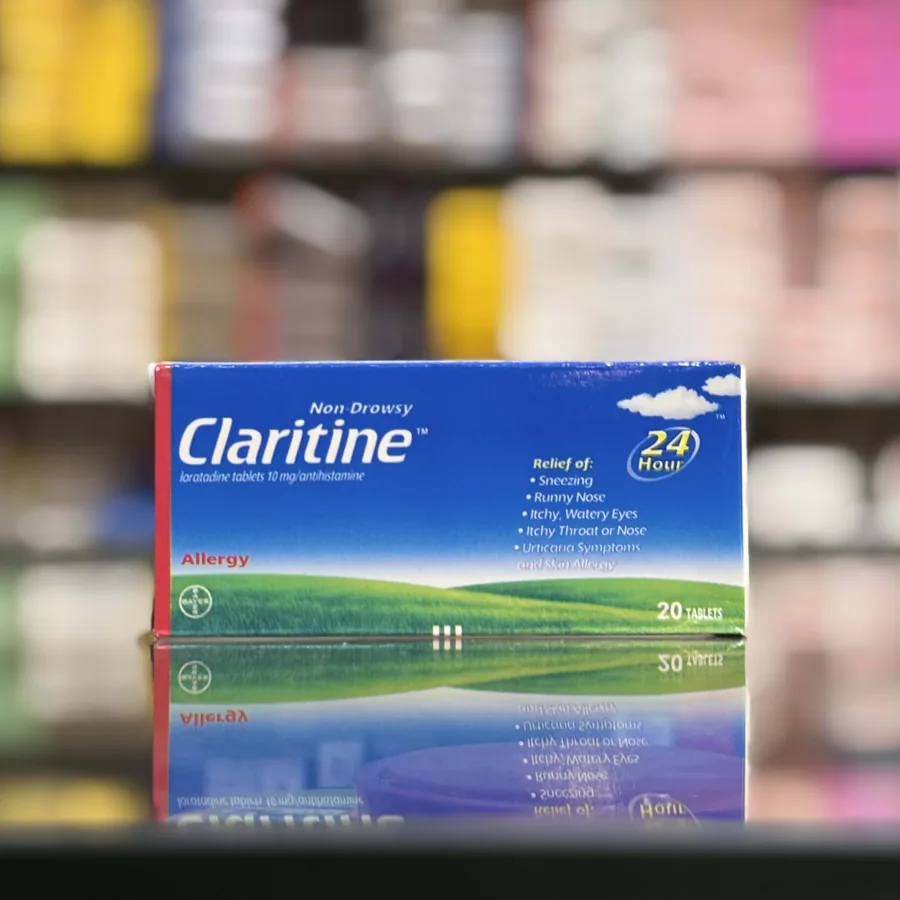
How to treat mosquito bites and bee or wasp stings, which repellents work, how antihistamines such as loratadine help, and the signs of a severe allergic reaction.
Need something now?
Send a photo of the box or describe what you need. Free delivery to your hotel from $30.
Why choose us
5 pharmacies across Sharm El Sheikh
Open daily until 1:00 AM · All pharmacies