Sunburn
How to cool and soothe sunburn, which after-sun products and painkillers help, how to protect children, and the warning signs that need a doctor.
How to spot heat exhaustion, heatstroke and dehydration, how to cool someone down, what to buy at the pharmacy, and when to call 123.
Heat exhaustion means your body is struggling to cope with heat. It usually improves within 30 minutes of cooling down and drinking fluids. Heatstroke is more serious: the body can no longer control its temperature, and it is a medical emergency. If someone is confused, collapses or does not improve after 30 minutes, call 123.
What to do now:
You feel the effects of heat sooner if you are not used to high temperatures. That is why the first days of a holiday need extra care. Long hours on the beach, boat trips and desert excursions add to the risk. So do alcohol and not drinking enough.
You lose fluid through sweat, and faster still with diarrhoea or vomiting. People who are already dehydrated are more vulnerable in hot weather.
The symptoms are often the same in adults and children.
For heat exhaustion, the NHS recommends 4 steps:
Stay with the person. They should start to feel better within 30 minutes. If they do not, treat it as heatstroke and call 123.
Wrap the person in a cool, wet sheet, or keep sponging them with cold water and fanning them. If they lose consciousness, put them in the recovery position and check their breathing. Start CPR if they show no signs of life.
Products that can help:
No medicine you can buy treats heatstroke. Fast cooling and emergency care are what matter.
Babies and young children aged 5 and under are more at risk from heat and dehydration. Keep them in the shade and offer drinks often. Keep breastfeeding or formula feeding as usual, and do not make formula weaker. Signs of dehydration in a baby include a sunken soft spot on the head and few or no tears. Watch also for fewer wet nappies and drowsiness. Get medical help quickly if you see these signs. If your child also has diarrhoea, read our guide to traveller’s diarrhoea.
Pregnancy increases the risk from heat. Rest in cool places, drink regularly and avoid the midday sun. Ask a doctor or pharmacist before taking any medicine.
Older people and long-term conditions. People aged 65 and over are more at risk. So are people with heart or breathing problems, diabetes, kidney disease or dementia. Some medicines also raise the risk, including water tablets (diuretics), beta-blockers and some medicines for depression or psychosis. Do not stop a prescribed medicine. Ask your doctor or our pharmacist how to stay safe in the heat.
See a doctor urgently if:
Call 123 for an ambulance if someone:
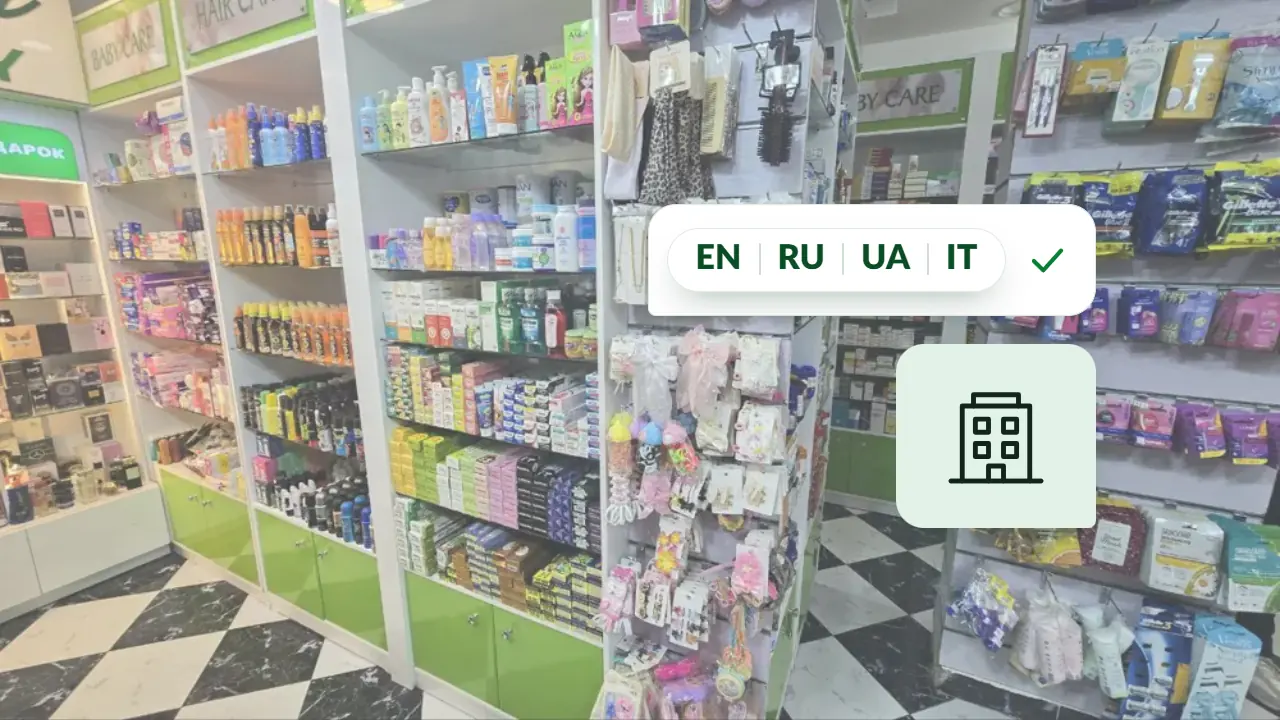
Our pharmacists speak English, Russian, Ukrainian and Italian. Message us on WhatsApp or call +20 120 344 2201 for rehydration salts, sunscreen or a thermometer. We have 5 pharmacies across Sharm El Sheikh, and we offer free hotel delivery on orders from $30.
FAQ
Heatstroke often follows heat exhaustion. Warning signs include a very high temperature and hot skin that is not sweating. Others are fast breathing, a fast heartbeat, confusion, poor coordination, a seizure or loss of consciousness. It is a medical emergency. In Egypt, call 123 for an ambulance and start cooling the person while you wait.
With heat exhaustion you feel tired, dizzy, sick and very thirsty, and you usually sweat heavily. It normally improves within 30 minutes of cooling down and drinking. Heatstroke is more serious. The body can no longer control its temperature, sweating may stop, and the person may become confused. Heatstroke needs emergency help.
No. Fever medicines such as paracetamol or aspirin do not help in heatstroke and may be harmful. Cool the person instead: move them to a cool place, remove extra clothing, wet the skin with cool water and fan them. Call 123 for an ambulance if you suspect heatstroke.
There is no single amount for everyone. Drink regularly through the day. Drink more when it is hot, when you are active, or if you have diarrhoea or vomiting. A simple check is the colour of your pee: aim for pale yellow. Dark yellow pee is a sign you need to drink more.
For everyday heat, water is usually enough. Oral rehydration salts help when you sweat a lot, or lose fluid through diarrhoea or vomiting. They replace the salts and sugar your body has lost. Mix them with safe water exactly as the pack says. Ask our pharmacist which one suits you or your child.
Last updated 8 October 2026. General information, not a diagnosis: always read the leaflet and ask a pharmacist or doctor.
How to cool and soothe sunburn, which after-sun products and painkillers help, how to protect children, and the warning signs that need a doctor.
Most traveller's diarrhoea settles in a few days. How to replace fluids, what to eat, which pharmacy products can help and when to see a doctor.
How to rehydrate after vomiting, which buffet foods and drinks carry more risk, what to buy at the pharmacy and the warning signs that need a doctor.
What to do after a jellyfish or fire coral sting, a sea urchin spine or a venomous fish sting in the Red Sea, including the vinegar question and the warning signs.
How to clean and dress a coral cut, why coral wounds often get infected, when you may need a tetanus booster, and the warning signs that need a doctor.
How to prevent and ease seasickness on boat trips from Sharm El Sheikh: simple tips first, the types of medicine to ask about, children and pregnancy, and warning signs.
How to recognise swimmer's ear after snorkelling, what helps, when ear drops need a doctor, how it differs from ear pain after diving, and how to prevent it.

Why air-conditioning can leave your throat sore and your nose blocked, how to tell it from a cold or an allergy, what helps, and when to see a doctor.
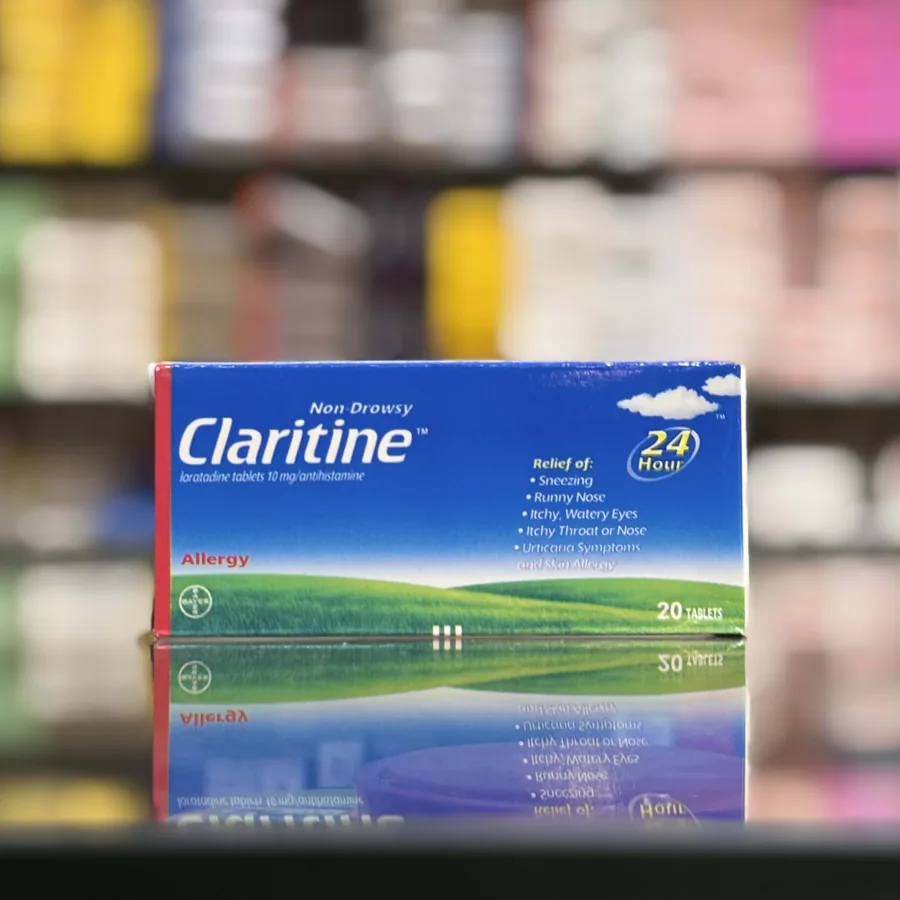
How to treat mosquito bites and bee or wasp stings, which repellents work, how antihistamines such as loratadine help, and the signs of a severe allergic reaction.
How to check your child's temperature, keep them comfortable, tell a fever from heat illness and recognise the warning signs that need a doctor.
Need something now?
Send a photo of the box or describe what you need. Free delivery to your hotel from $30.
Why choose us
5 pharmacies across Sharm El Sheikh
Open daily until 1:00 AM · All pharmacies