Sunburn
How to cool and soothe sunburn, which after-sun products and painkillers help, how to protect children, and the warning signs that need a doctor.
Most traveller's diarrhoea settles in a few days. How to replace fluids, what to eat, which pharmacy products can help and when to see a doctor.
Most traveller’s diarrhoea is mild and gets better on its own within a few days. In the first 24 hours, the most important thing is to replace lost fluid. Oral rehydration salts help most if you are losing a lot of fluid. Watch for warning signs such as blood in the stool, a high fever or signs of dehydration.
What to do now:
Traveller’s diarrhoea is the most predictable illness of international travel. Depending on the destination and season, 30% to 70% of travellers get it during a two-week trip. Bacteria cause most cases. Viruses cause some, and these more often cause vomiting.
It usually comes from contaminated food or drink. Careful food choices lower the risk but cannot remove it, because restaurant hygiene is often outside your control.
Symptoms usually start suddenly. They can include:
Without treatment, diarrhoea caused by bacteria usually lasts 3 to 7 days. Viral diarrhoea usually lasts 2 to 3 days. Food poisoning caused by toxins often settles within 12 to 24 hours.
In babies, look for a sunken soft spot on the head and few or no tears. Fewer wet nappies, drowsiness or irritability are also signs. Read more in our guide to heatstroke and dehydration.
Replace fluid first. This is the most important treatment, and it helps you feel better sooner. Take small sips often if you feel sick.
Use oral rehydration salts (ORS). They replace the salts and sugar your body loses. They matter most when you are losing a lot of fluid. Mix each sachet with safe water exactly as the pack says.
Choose safe drinks. Drink sealed bottled water or water that has been boiled. Avoid fruit juice and fizzy drinks, which can make diarrhoea worse. Avoid alcohol and caffeine, which add to dehydration.
Eat when you can. You do not need to stop eating. It may help to avoid fatty or spicy food for a while.
Rest. Stay near a toilet and keep out of the midday heat. People who are dehydrated from diarrhoea are more at risk in hot weather.
Stop the spread. Wash your hands with soap and water after the toilet and before eating. Hand sanitiser with at least 60% alcohol helps when you cannot wash. It works less well against some stomach bugs, such as norovirus. Do not share towels, and do not prepare food for others. Wait at least 48 hours after your symptoms stop before you use a swimming pool.
You may hear about Antinal (nifuroxazide), a medicine sold in Egypt for diarrhoea. It does not replace fluids, and it is not right for everyone. Read our guide to Antinal (nifuroxazide), and ask our pharmacist before you use it, especially for a child.
Products that can help:
See more of our over-the-counter medicines. Antibiotics are not recommended for mild traveller’s diarrhoea. If you need one, a doctor will decide.
These steps lower the risk, although they cannot remove it completely:
Babies and young children are at greater risk of dehydration. Start oral rehydration early. Keep breastfeeding or giving formula as usual, and do not make formula weaker. Do not give children under 12 medicine to stop diarrhoea. Do not give aspirin to children under 16. Ask our pharmacist before giving any medicine to a child.
Pregnancy. Drink plenty of fluids and use oral rehydration salts if you need them. Ask a pharmacist or doctor before taking any medicine. See a doctor early if you have a fever, cannot keep fluids down or feel dizzy.
Older people and long-term conditions. Older adults and people with chronic illnesses such as diabetes become dehydrated more easily. Do you take regular medicines, for example for diabetes, blood pressure or the heart? Ask a doctor or pharmacist whether you need to change anything while you are ill.
See a doctor urgently if:
Call 123 for an ambulance if someone:
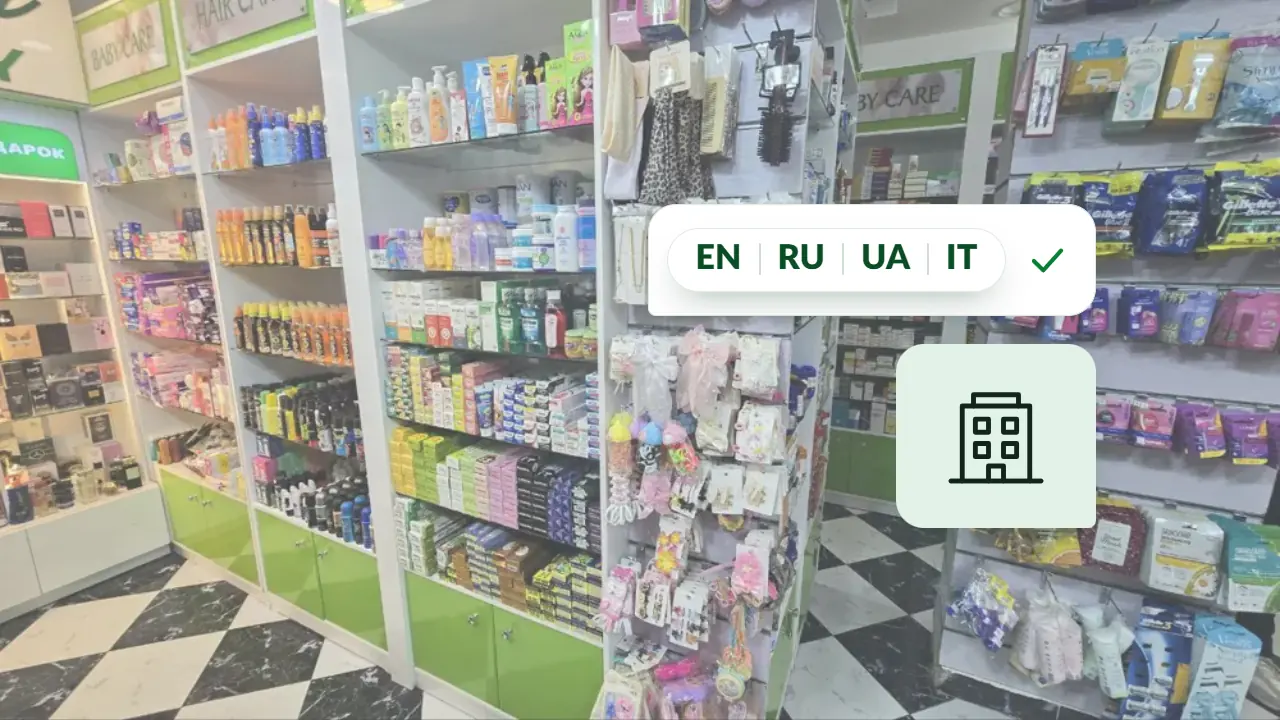
Feeling unwell in your hotel room? Our pharmacists speak English, Russian, Ukrainian and Italian. Message us on WhatsApp or call +20 120 344 2201. We can bring rehydration salts and other essentials to you, with free hotel delivery on orders from $30. Registered medicines are sold at the official prices set in Egypt.
FAQ
Most traveller's diarrhoea is mild and settles on its own. Without treatment, diarrhoea caused by bacteria usually lasts 3 to 7 days, and viral diarrhoea 2 to 3 days. See a doctor if diarrhoea lasts more than 7 days or vomiting more than 2 days. Also see a doctor if there is blood in your stool.
Drink small, frequent sips of safe fluids, such as bottled water. Oral rehydration salts mixed with safe water replace the salts and sugar you lose. They are most useful if you are losing a lot of fluid. Avoid fruit juice and fizzy drinks, which can make diarrhoea worse, and alcohol and caffeine.
Adults can use loperamide to reduce trips to the toilet, for example before a flight or a long bus journey. Do not use it if you have blood in your stool or a fever; see a doctor instead. It is not suitable for children under 12. Follow the leaflet and ask our pharmacist.
Usually not. Antibiotics are not recommended for mild traveller's diarrhoea, and most cases settle with fluids and rest. A doctor may prescribe an antibiotic for severe diarrhoea, bloody diarrhoea or diarrhoea with fever. Antibiotics have side effects, so do not take them unless a doctor decides you need them.
Do not swim while you have diarrhoea. The NHS advises waiting until at least 48 hours after your symptoms stop before using a swimming pool. This helps protect other guests. Wash your hands well with soap and water, and do not share towels until you have recovered.
Last updated 8 October 2026. General information, not a diagnosis: always read the leaflet and ask a pharmacist or doctor.
How to cool and soothe sunburn, which after-sun products and painkillers help, how to protect children, and the warning signs that need a doctor.
How to spot heat exhaustion, heatstroke and dehydration, how to cool someone down, what to buy at the pharmacy, and when to call 123.
How to rehydrate after vomiting, which buffet foods and drinks carry more risk, what to buy at the pharmacy and the warning signs that need a doctor.
What to do after a jellyfish or fire coral sting, a sea urchin spine or a venomous fish sting in the Red Sea, including the vinegar question and the warning signs.
How to clean and dress a coral cut, why coral wounds often get infected, when you may need a tetanus booster, and the warning signs that need a doctor.
How to prevent and ease seasickness on boat trips from Sharm El Sheikh: simple tips first, the types of medicine to ask about, children and pregnancy, and warning signs.
How to recognise swimmer's ear after snorkelling, what helps, when ear drops need a doctor, how it differs from ear pain after diving, and how to prevent it.

Why air-conditioning can leave your throat sore and your nose blocked, how to tell it from a cold or an allergy, what helps, and when to see a doctor.
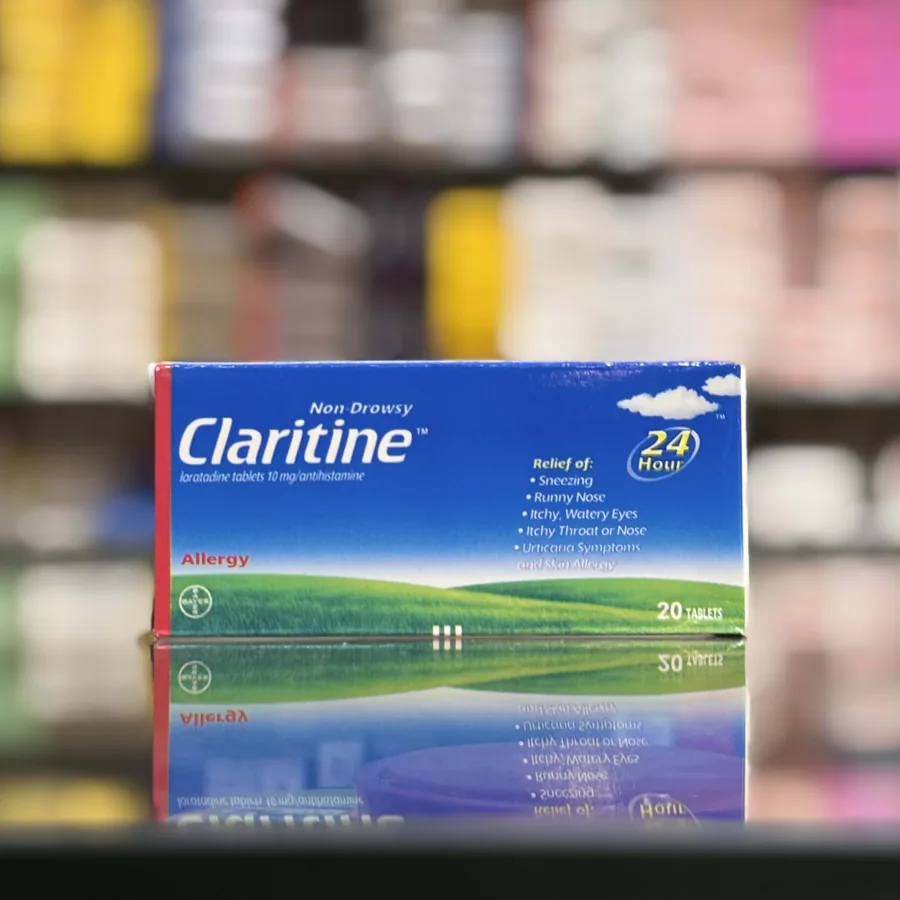
How to treat mosquito bites and bee or wasp stings, which repellents work, how antihistamines such as loratadine help, and the signs of a severe allergic reaction.
How to check your child's temperature, keep them comfortable, tell a fever from heat illness and recognise the warning signs that need a doctor.
Need something now?
Send a photo of the box or describe what you need. Free delivery to your hotel from $30.
Why choose us
5 pharmacies across Sharm El Sheikh
Open daily until 1:00 AM · All pharmacies