Sunburn
How to cool and soothe sunburn, which after-sun products and painkillers help, how to protect children, and the warning signs that need a doctor.
What to do after a jellyfish or fire coral sting, a sea urchin spine or a venomous fish sting in the Red Sea, including the vinegar question and the warning signs.
Most sea stings are minor and settle with first aid. Get out of the water and rinse the area with seawater. Lift off any tentacles or spines without bare hands, then soak the area in hot water. A stonefish sting, or any sting with breathing problems, chest pain or fainting, is an emergency: call 123.
What to do now:
The main dangers after a sting are an allergic reaction or drowning, so leave the water calmly. Many injuries happen when people step on or touch sea animals.
Jellyfish recorded in the Red Sea include the moon jellyfish. Large numbers have been seen on reefs in the Gulf of Aqaba. The upside-down jellyfish is native to the Red Sea and rests on the seabed in shallow water. A sting usually causes sudden pain, an itchy rash and raised red lines (welts) where the tentacles touched. Most stings improve within hours, but a rash can last for weeks.
Fire coral is not a true coral. It is a stinging animal from the same group as jellyfish. Two types are common along Egypt’s Red Sea coast, often in shallow water near the top of the reef. Brief contact causes burning pain and a red, itchy rash.
Sea urchins live on rocks and reefs in shallow water. Their brittle spines puncture the skin, usually on the foot, and often break off inside. The venom causes burning pain, redness and swelling. Spines left in the skin can cause inflammation and infection.
These fish belong to one family and carry venom in their spines. The reef stonefish lives on Red Sea coral reefs. It looks like a rock or a piece of coral, so people can step on it without seeing it. The sting causes severe pain and swelling that can spread up the limb within minutes. It can also affect breathing and the heart, so treat it as an emergency.
Lionfish are native to the Red Sea. Their stings cause pain, redness and swelling, and sometimes nausea, sweating or weakness.
Advice on vinegar differs. MedlinePlus, from the US National Library of Medicine, recommends vinegar for all jellyfish stings. Other sources say it depends on the species:
In the Red Sea you usually cannot tell which jellyfish stung you. Rinse with plenty of seawater first. Use vinegar only if a lifeguard or dive guide who knows the local species advises it. Then use hot water for the pain.
Products that can help:
See our first aid range. Pack tweezers and a few plasters in your beach bag.
Children. Use the same first aid. Check the water temperature yourself before you soak a child’s skin. Get medical help early if a child has a large sting, many stings, or seems unwell. Ask our pharmacist before giving any medicine.
Pregnancy. First aid is the same. Paracetamol is usually the preferred painkiller in pregnancy. Avoid ibuprofen unless a doctor or pharmacist advises it. See a doctor after any venomous fish sting.
Older people and long-term conditions. Germs in seawater can infect cuts and stings. People with diabetes, liver disease or a weak immune system are at higher risk of serious wound infection. If you have one of these conditions, get medical advice early for any cut or sting.
See a doctor urgently if:
Call 123 for an ambulance for any suspected stonefish sting. Call too for difficulty breathing, chest pain, a seizure, severe swelling, severe bleeding, vomiting, light-headedness or loss of consciousness.
Need painkillers, antihistamines or first aid supplies after a sting? Message us on WhatsApp or call +20 120 344 2201. Our pharmacists speak English, Russian, Ukrainian and Italian. Find your nearest branch on our pharmacies page, or use our free hotel delivery on orders from $30.
FAQ
It depends on the jellyfish. Vinegar stops stinging cells firing in box jellyfish. It is not advised for Portuguese man o' war stings, and it may worsen some others. You usually cannot tell which jellyfish stung you. So rinse with plenty of seawater first, lift off tentacles carefully, then use hot water for pain.
No. Urine does not help and can make a sting worse. The NHS, the CDC and DermNet all advise against it. Instead, rinse the area with seawater and lift off any tentacles without bare hands. Then soak the area in water as hot as you can comfortably bear.
Remove any spines you can see with tweezers, without squeezing or digging. Wash the area and soak it in water as hot as you can comfortably tolerate for 30 to 90 minutes. See a doctor if spines are deep, near a joint, or the area becomes red, swollen or painful. Check your tetanus vaccination.
Yes. A stonefish sting is a medical emergency. It causes severe pain and swelling that can spread up the limb, and it can affect breathing and the heart. Call 123 for an ambulance. While you wait, control any bleeding and soak the wound in water as hot as the person can comfortably tolerate.
Most fire coral stings cause burning pain and a red, itchy rash that settles with first aid. Rinse with seawater, remove any coral pieces, then soak the area in hot water. Ask our pharmacist if an antihistamine or a mild steroid cream suits you for the itch. See a doctor if the skin becomes infected.
Last updated 8 October 2026. General information, not a diagnosis: always read the leaflet and ask a pharmacist or doctor.
How to cool and soothe sunburn, which after-sun products and painkillers help, how to protect children, and the warning signs that need a doctor.
How to spot heat exhaustion, heatstroke and dehydration, how to cool someone down, what to buy at the pharmacy, and when to call 123.

Most traveller's diarrhoea settles in a few days. How to replace fluids, what to eat, which pharmacy products can help and when to see a doctor.
How to rehydrate after vomiting, which buffet foods and drinks carry more risk, what to buy at the pharmacy and the warning signs that need a doctor.
How to clean and dress a coral cut, why coral wounds often get infected, when you may need a tetanus booster, and the warning signs that need a doctor.
How to prevent and ease seasickness on boat trips from Sharm El Sheikh: simple tips first, the types of medicine to ask about, children and pregnancy, and warning signs.
How to recognise swimmer's ear after snorkelling, what helps, when ear drops need a doctor, how it differs from ear pain after diving, and how to prevent it.

Why air-conditioning can leave your throat sore and your nose blocked, how to tell it from a cold or an allergy, what helps, and when to see a doctor.
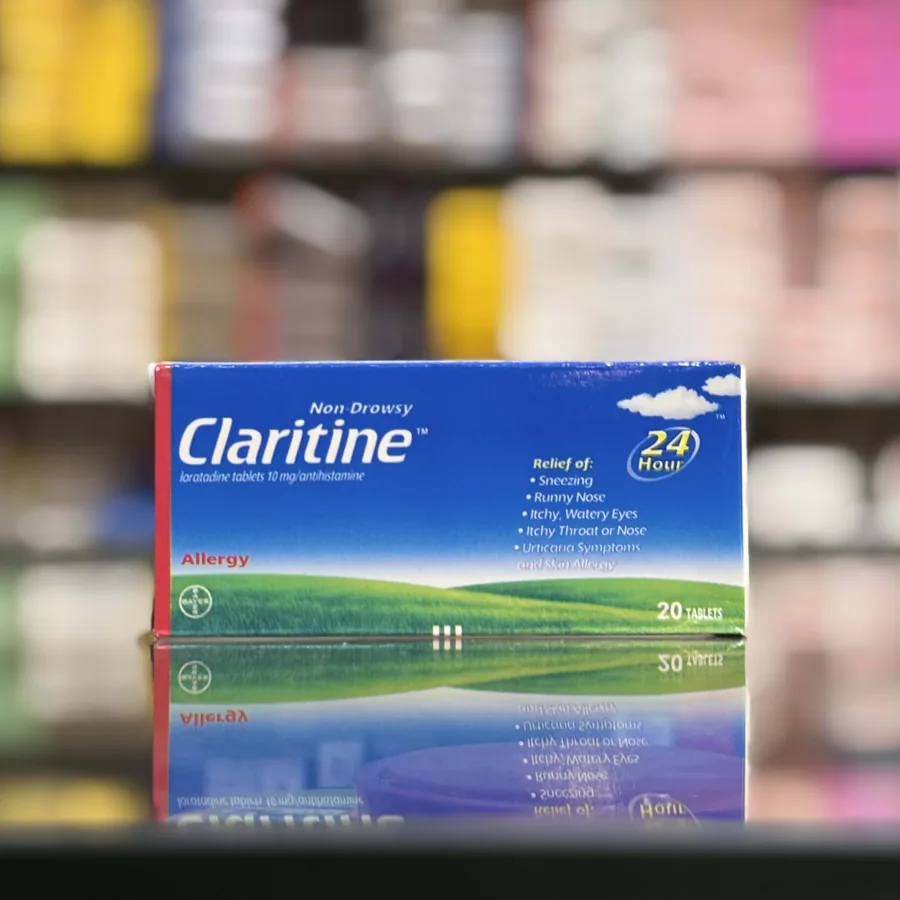
How to treat mosquito bites and bee or wasp stings, which repellents work, how antihistamines such as loratadine help, and the signs of a severe allergic reaction.
How to check your child's temperature, keep them comfortable, tell a fever from heat illness and recognise the warning signs that need a doctor.
Need something now?
Send a photo of the box or describe what you need. Free delivery to your hotel from $30.
Why choose us
5 pharmacies across Sharm El Sheikh
Open daily until 1:00 AM · All pharmacies