Sunburn
How to cool and soothe sunburn, which after-sun products and painkillers help, how to protect children, and the warning signs that need a doctor.
Why air-conditioning can leave your throat sore and your nose blocked, how to tell it from a cold or an allergy, what helps, and when to see a doctor.

Air-conditioning dries the air, and dry air can irritate your nose and throat. This can leave your throat scratchy or your nose blocked. But air-conditioning does not give you a cold by itself: colds are caused by viruses. Most symptoms settle with fluids, saline sprays and simple pain relief, without antibiotics.
What to do now:
Air-conditioning units dry the air. Mayo Clinic explains that low humidity can bother the inside of the nose and the throat.
Changes in temperature or humidity can irritate the inside of your nose too. The NHS calls this non-allergic rhinitis. On holiday, that can mean walking from the hot sun into a cold lobby or bus. Smoke, alcohol and spicy food can also trigger it. It is not harmful, and you can usually treat it yourself.
Itchy eyes and sneezing? Read our guide to allergies and insect bites in Sharm.
Drink plenty of fluids. Water helps prevent dehydration, especially in the Sharm heat. Alcohol and caffeine can make dehydration worse.
Soothe your throat. Adults can gargle with warm, salty water, then spit it out. A hot lemon and honey drink can help. So can cool or soft foods, ice lollies and hard sweets.
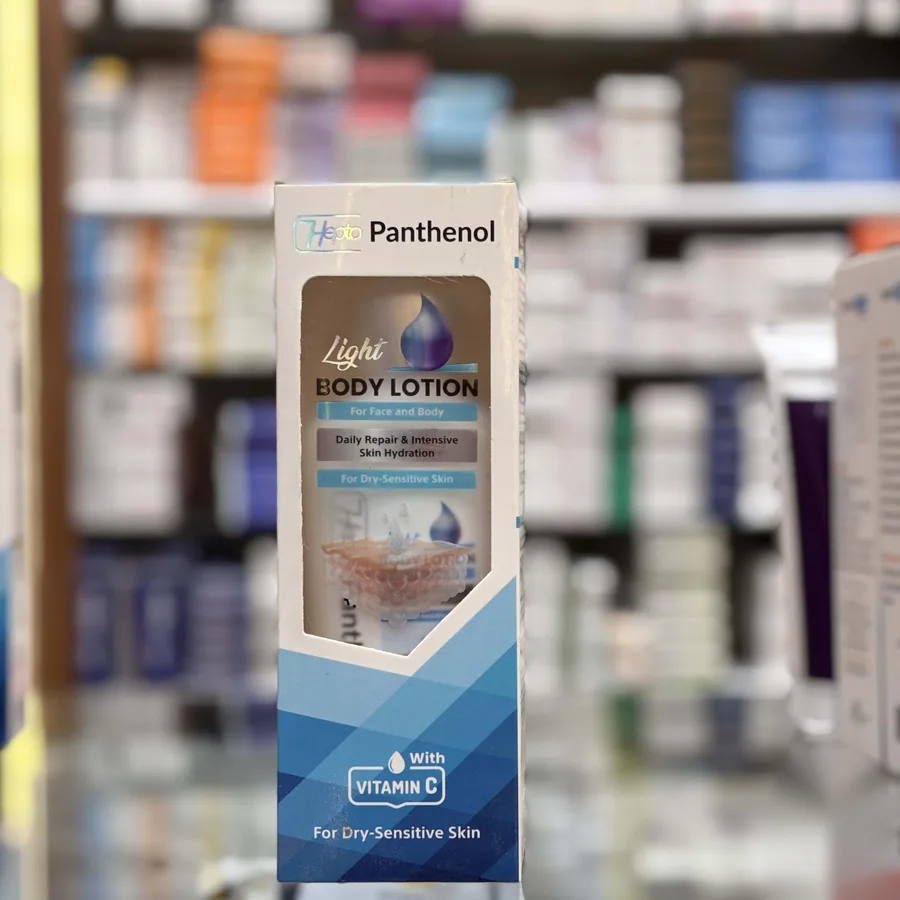
Moisten your nose. A saline or sea-water spray can moisten a dry nose and ease stuffiness. If you make your own salt-water rinse, use boiled water that has cooled. Never use water straight from the tap.
Breathe in steam. Sitting in the bathroom with a hot shower running can ease a blocked nose.
Ease pain and fever. Paracetamol or ibuprofen can help. Follow the leaflet. Ibuprofen is not suitable for everyone, for example people with asthma, a stomach ulcer, or heart, liver or kidney problems. Many cold and flu remedies already contain paracetamol, so check the label before adding a painkiller.
Rest, and avoid smoky places.
See a doctor if a sore throat is not better after a week, or cold symptoms after 10 days. Do the same if a high temperature lasts more than 3 days.
Antibiotics do not work for viral infections such as colds, flu and most coughs. Most sore throats do not need them either. They will not ease your symptoms or speed up your recovery.
Antibiotics you do not need can cause side effects, and they may not work for you in future. Never use leftover antibiotics or someone else’s. If a doctor thinks you have a bacterial infection, they will decide on treatment.
Products that can help:
See our over-the-counter medicines, or ask us what is in stock today.
A cold, a sinus infection or a stuffy nose makes ear pain more likely when you fly or dive. If you can, avoid flying with these symptoms. Yawn, swallow or chew gum during take-off and landing. Before any dive, read our guide to diving and your ears.
Babies and children. Saline drops can help a baby’s blocked nose. Do not give decongestants to children under 6, or aspirin to anyone under 16. Do not give honey to babies under 12 months. Children should not gargle with salt water or breathe steam from a bowl of hot water. Lozenges and hard sweets are a choking risk for children under 6. Some cough and cold medicines are not suitable for children, so ask our pharmacist before giving any medicine.
Pregnancy. Paracetamol is usually the preferred painkiller in pregnancy. Avoid ibuprofen unless a doctor or pharmacist advises it. Use a decongestant only if a healthcare professional tells you to, because its safety in pregnancy is not clear. Ask a pharmacist or doctor before taking any medicine.
Older people and long-term conditions. Do you have a long-term condition, such as diabetes or heart, lung or kidney disease? See a doctor if you get cold symptoms. Do the same if you have a weakened immune system. Decongestants may not suit people with high blood pressure, glaucoma, or heart, liver or kidney problems. Ask our pharmacist before adding a cold remedy to your regular medicines.
See a doctor urgently if:
Call 123 for an ambulance if someone has difficulty breathing, cannot swallow or is drooling. Call too if they make a high-pitched sound when breathing, or their symptoms are severe and getting worse quickly.
Our pharmacists speak English, Russian, Ukrainian and Italian, and can help you choose a saline spray, throat lozenges or pain relief. Message us on WhatsApp or call +20 120 344 2201. We have 5 pharmacies across Sharm El Sheikh, and we offer free hotel delivery on orders from $30. Registered medicines are sold at the official prices set in Egypt.
FAQ
It can make your throat feel dry and sore. Air-conditioning dries the air, and dry air can irritate the nose and throat. Sudden changes in temperature and humidity can also cause a blocked or runny nose. But air-conditioning does not give you a cold by itself. Colds are caused by viruses that spread from person to person.
Dry air and temperature changes can cause a blocked or runny nose, sneezing and a sore throat. A cold comes on over 2 to 3 days and often adds a cough, a hoarse voice and tiredness. A high temperature and aches point to an infection. Itchy, watery eyes with sneezing suggest an allergy.
Usually not. Most sore throats and colds are caused by viruses, and antibiotics do not work against viruses. They will not ease your symptoms or help you recover faster, and they can cause side effects. If a doctor thinks you have a bacterial infection, they will decide on treatment. Never use leftover antibiotics.
A saline or sea-water spray, such as Beegu, moistens and rinses a dry, blocked nose. A decongestant spray unblocks the nose faster, but use it only for a few days, as the leaflet says. Longer use can make the blockage worse. Decongestants are not suitable for children under 6, so ask our pharmacist first.
Not on hot days, because heat brings its own risks, such as dehydration and heat exhaustion. Set it to a comfortable temperature rather than very cold, and avoid sleeping in a direct draught. Drink water regularly and use a saline spray if your nose feels dry. See a doctor if your symptoms last or get worse.
There is little evidence that vitamin C, echinacea or garlic prevent colds or help you recover faster. Some studies suggest that taking vitamin C regularly before a cold starts may shorten it. Rest, plenty of fluids and moist air are what help most. Ask our pharmacist before you combine supplements with other medicines.
Last updated 8 October 2026. General information, not a diagnosis: always read the leaflet and ask a pharmacist or doctor.
How to cool and soothe sunburn, which after-sun products and painkillers help, how to protect children, and the warning signs that need a doctor.
How to spot heat exhaustion, heatstroke and dehydration, how to cool someone down, what to buy at the pharmacy, and when to call 123.
Most traveller's diarrhoea settles in a few days. How to replace fluids, what to eat, which pharmacy products can help and when to see a doctor.
How to rehydrate after vomiting, which buffet foods and drinks carry more risk, what to buy at the pharmacy and the warning signs that need a doctor.
What to do after a jellyfish or fire coral sting, a sea urchin spine or a venomous fish sting in the Red Sea, including the vinegar question and the warning signs.
How to clean and dress a coral cut, why coral wounds often get infected, when you may need a tetanus booster, and the warning signs that need a doctor.
How to prevent and ease seasickness on boat trips from Sharm El Sheikh: simple tips first, the types of medicine to ask about, children and pregnancy, and warning signs.
How to recognise swimmer's ear after snorkelling, what helps, when ear drops need a doctor, how it differs from ear pain after diving, and how to prevent it.
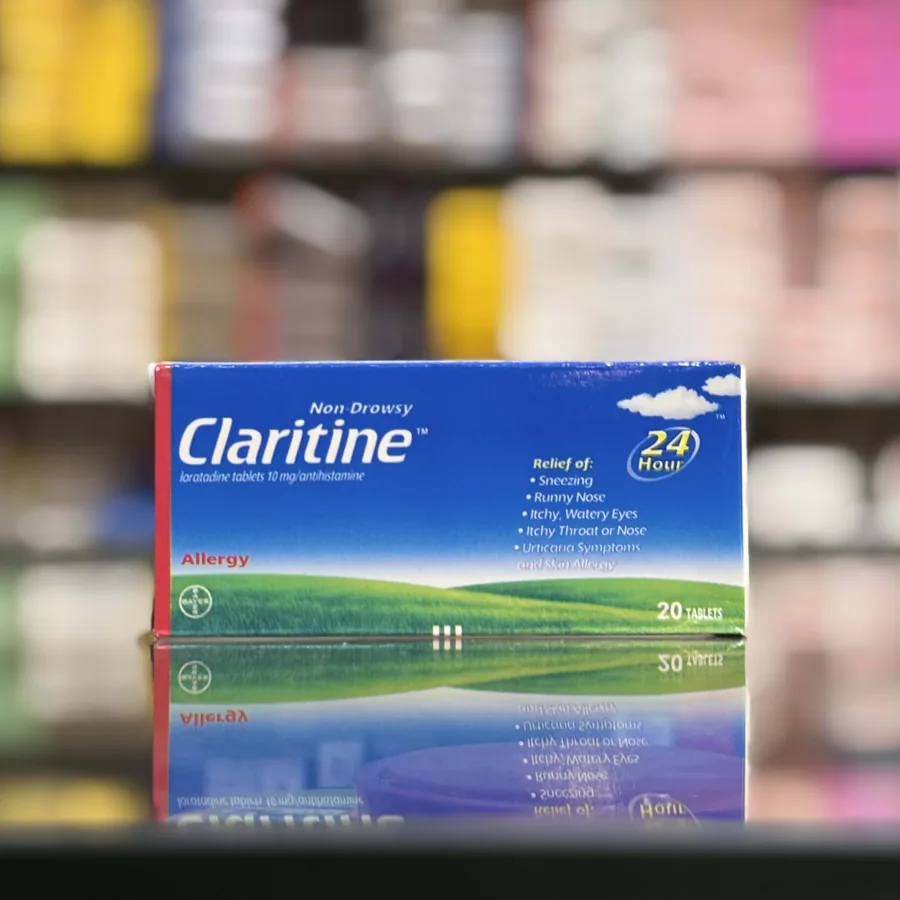
How to treat mosquito bites and bee or wasp stings, which repellents work, how antihistamines such as loratadine help, and the signs of a severe allergic reaction.
How to check your child's temperature, keep them comfortable, tell a fever from heat illness and recognise the warning signs that need a doctor.
Need something now?
Send a photo of the box or describe what you need. Free delivery to your hotel from $30.
Why choose us
5 pharmacies across Sharm El Sheikh
Open daily until 1:00 AM · All pharmacies