Sunburn
How to cool and soothe sunburn, which after-sun products and painkillers help, how to protect children, and the warning signs that need a doctor.
How to treat mosquito bites and bee or wasp stings, which repellents work, how antihistamines such as loratadine help, and the signs of a severe allergic reaction.
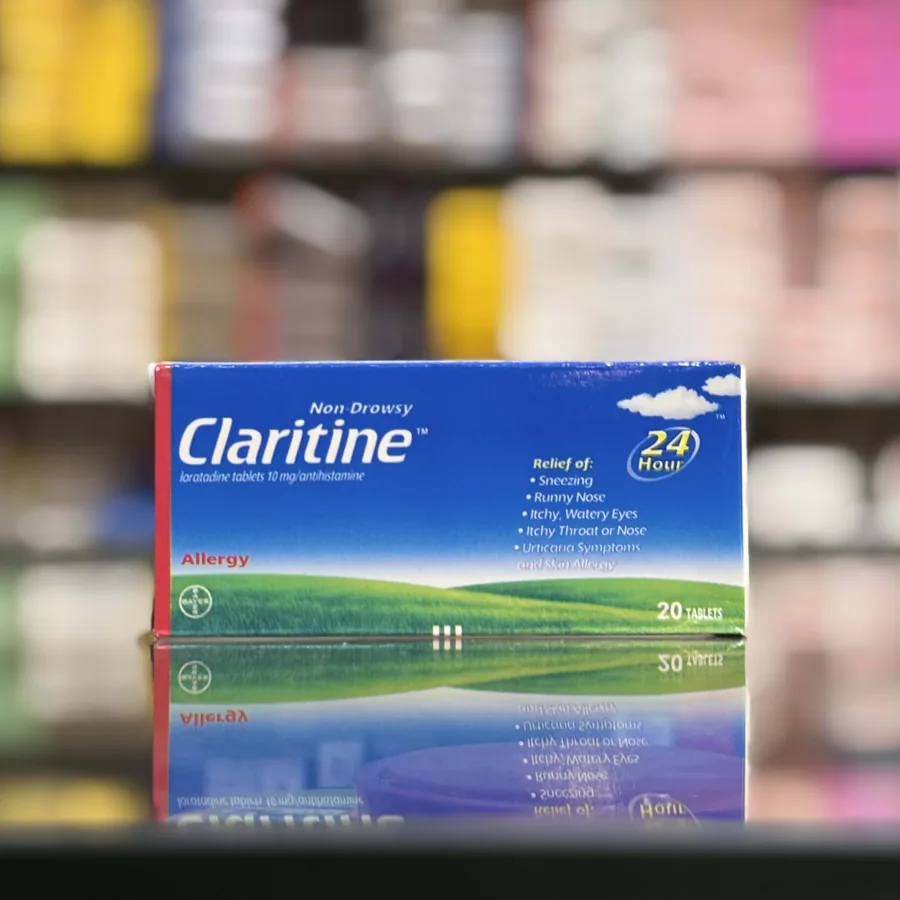
If you get insect bites in Egypt, most are not serious and get better within a few days. Wash the area, cool it and try not to scratch. An antihistamine such as loratadine can ease the itching. Sometimes a bite or sting causes a severe allergic reaction (anaphylaxis). This is an emergency: call 123.
What to do now:
Most bites and stings cause pain and a small, swollen lump, which may itch or look red.
Stung in the sea? See our guide to jellyfish and sea stings.
The World Health Organization (WHO) certified Egypt malaria-free in October 2024. Mosquitoes there no longer spread malaria.
Mosquitoes can still spread other infections, and UK travel advice lists dengue among the health risks in Egypt. Dengue symptoms usually start 4 to 10 days after infection. They include a high fever, a severe headache, pain behind the eyes and aching muscles and joints.
The WHO advises paracetamol for dengue pain, not ibuprofen or aspirin, because these can increase the risk of bleeding.
Show the bite to a pharmacist or doctor if:
An allergy can cause sneezing, an itchy, runny or blocked nose, and itchy, red, watery eyes. Symptoms usually start within minutes of contact with a trigger, such as pollen, house dust mites, mould or pet fur. Hay fever can last for weeks or months, unlike a cold.
Changes in temperature and humidity can cause similar symptoms without an allergy. See our guide to a sore throat and blocked nose from air-conditioning.
To ease allergy symptoms:
See a doctor if your symptoms or your asthma get worse, or if pharmacy treatments do not help.
Products that can help:
See our over-the-counter medicines, or ask us what is in stock today.
If you have had a serious allergic reaction before and have adrenaline auto-injectors, carry 2 at all times. Keep them out of the sun and away from heat.
Babies and children. A baby under 1 year with a bite or sting should see a doctor. Protect babies with clothing and a mosquito net over the stroller. Do not use repellents with OLE or PMD on children under 3. Put repellent on your own hands first, then on the child’s skin, avoiding their hands, eyes and mouth. Loratadine is suitable for most children aged 2 and over. Ask our pharmacist before giving any medicine.
Pregnancy and breastfeeding. The CDC says registered repellents are safe in pregnancy and breastfeeding when used as the label says. If you need an antihistamine in pregnancy, loratadine is usually the one recommended. Paracetamol is usually the preferred painkiller. Avoid ibuprofen unless a doctor or pharmacist advises it. Ask a pharmacist or doctor before taking any medicine.
Older people and long-term conditions. Older people should ask a pharmacist before taking an antihistamine. So should anyone who takes other medicines or has heart, liver or kidney disease or epilepsy.
See a doctor urgently if:
Call 123 for an ambulance if someone’s lips, mouth, tongue or throat suddenly swell after a bite or sting. Call too if they struggle to breathe or swallow, or turn blue, grey or pale. The same applies if they become confused, very drowsy or faint. This can be anaphylaxis. Use their adrenaline auto-injector if they have one. Lie them down, and do not let them stand or walk.
Our pharmacists speak English, Russian, Ukrainian and Italian. They can help you choose an antihistamine, a cream for itching or an insect repellent. Message us on WhatsApp or call +20 120 344 2201. We have 5 pharmacies across Sharm El Sheikh, and we offer free hotel delivery on orders from $30. Registered medicines are sold at the official prices set in Egypt.
FAQ
Malaria is no longer spread by mosquitoes in Egypt. The World Health Organization certified the country malaria-free in October 2024. Mosquitoes can still spread other infections, and UK travel advice lists dengue among the health risks in Egypt. So it still makes sense to use repellent and avoid bites.
Choose a repellent with a proven active ingredient: DEET, icaridin (also called picaridin), IR3535, or oil of lemon eucalyptus (OLE or PMD). Higher strengths usually protect for longer. Products with less than 10% active ingredient may last only 1 to 2 hours. Apply sunscreen first and repellent second. Ask us what is in stock today.
It can help. Loratadine (Claritine) is a non-drowsy antihistamine. The NHS lists reactions to insect bites and stings among its uses, together with hay fever and hives. It usually starts to work within 1 to 3 hours. Some people still feel slightly sleepy. Ask our pharmacist whether it suits you or your child.
Signs of infection include skin around the bite that feels hot and looks red, pain or swelling that gets worse, and pus or fluid coming out. Redness can be harder to see on brown or black skin. A high temperature with swollen glands needs urgent medical advice. Show the bite to a pharmacist or doctor.
Call 123 if, after a bite or sting, someone's lips, mouth, tongue or throat suddenly swell, or they struggle to breathe or swallow. Call too if they turn pale or blue, become confused or very dizzy, or collapse. These can be signs of anaphylaxis. Use their adrenaline auto-injector if they have one.
The CDC says registered repellents are safe when used as the label says, even in pregnancy and breastfeeding. Do not use products with OLE or PMD on children under 3. Put repellent on your own hands first, then on the child's skin, avoiding their hands, eyes and mouth. Ask our pharmacist which product suits your family.
Last updated 8 October 2026. General information, not a diagnosis: always read the leaflet and ask a pharmacist or doctor.
How to cool and soothe sunburn, which after-sun products and painkillers help, how to protect children, and the warning signs that need a doctor.
How to spot heat exhaustion, heatstroke and dehydration, how to cool someone down, what to buy at the pharmacy, and when to call 123.
Most traveller's diarrhoea settles in a few days. How to replace fluids, what to eat, which pharmacy products can help and when to see a doctor.
How to rehydrate after vomiting, which buffet foods and drinks carry more risk, what to buy at the pharmacy and the warning signs that need a doctor.
What to do after a jellyfish or fire coral sting, a sea urchin spine or a venomous fish sting in the Red Sea, including the vinegar question and the warning signs.
How to clean and dress a coral cut, why coral wounds often get infected, when you may need a tetanus booster, and the warning signs that need a doctor.
How to prevent and ease seasickness on boat trips from Sharm El Sheikh: simple tips first, the types of medicine to ask about, children and pregnancy, and warning signs.
How to recognise swimmer's ear after snorkelling, what helps, when ear drops need a doctor, how it differs from ear pain after diving, and how to prevent it.

Why air-conditioning can leave your throat sore and your nose blocked, how to tell it from a cold or an allergy, what helps, and when to see a doctor.
How to check your child's temperature, keep them comfortable, tell a fever from heat illness and recognise the warning signs that need a doctor.
Need something now?
Send a photo of the box or describe what you need. Free delivery to your hotel from $30.
Why choose us
5 pharmacies across Sharm El Sheikh
Open daily until 1:00 AM · All pharmacies