

Black seed oil
What black seed oil is, how to use it on skin and hair, what the research really shows, and how to choose and store it safely.
Egypt grows much of the world's jasmine for perfume. What a jasmine oil for skin usually contains, how to use it, and how to avoid a fragrance allergy.
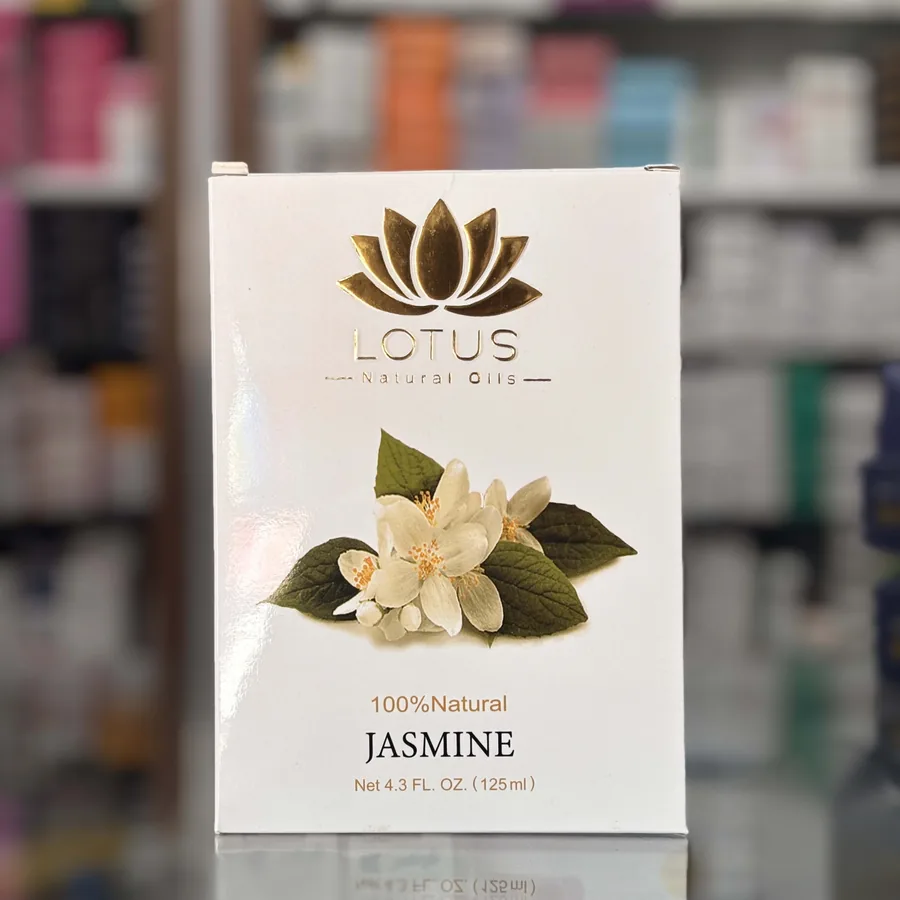
Jasmine oil is mainly used for its scent, as a fragrant body, massage or hair oil. Most jasmine oils for skin are a plant oil with jasmine extract or fragrance added, so read the label. Jasmine is also a known cause of skin allergy, so test it on a small patch of skin first. This guide is for visitors who want to try Egyptian jasmine oil in Sharm or take it home.
Most of Egypt’s jasmine grows in Gharbia governorate, in the Nile Delta. A key village is Shubra Beloula, about 100 kilometres north of Cairo.
The plant grown there is “royal jasmine”, Jasminum grandiflorum. Pickers harvest the white flowers by hand between midnight and dawn, because the flowers open fully only at night. The season runs from early summer into autumn.
Egypt and India produce around 95% of the jasmine extract used in perfumes, according to the International Federation of Essential Oils and Aroma Trades. Egypt’s largest jasmine processor says that Egypt makes nearly half of the world’s jasmine concrete, a waxy extract used as a base for designer fragrances.
Pure jasmine extract is rare and very strong. One tonne of flowers gives only 2 to 3 kilograms of concrete, and less than half of that becomes jasmine absolute, the pure scented oil that perfumers use.
So a jasmine oil for skin or hair is usually a blend: a plant oil, called the base or carrier oil, with jasmine extract or a jasmine fragrance added. In aromatherapy massage, too, essential oils are diluted in a carrier oil before they go on the skin.
On the label, look for:
We stock Lotus jasmine oil, made by TNG, a cosmetics company founded in Egypt. Ask us to show you the label before you buy.
People choose jasmine oil for its scent: as a body or massage oil, mixed into an unscented lotion, or on the ends of dry hair.
We found no good studies showing that jasmine oil improves skin or hair, and studies on aromatherapy in general show mixed results. Enjoy it as a fragrance and a moisturising oil, not as a treatment.
Fragrance allergy is common. According to DermNet, it affects around 1% of adults. After nickel, fragrance is the second most common cause of allergic skin rashes (allergic contact dermatitis).
Jasmine absolute is one of the essential oils that commonly cause this rash. The rash is usually itchy, red and scaly, and it can blister. It often appears 24 to 72 hours after contact, so a new oil can seem fine at first.
“Natural” does not mean safe for every skin. You can become allergic to a natural oil even after using it without problems.
Some perfumes and fragrances can also cause a skin reaction when the skin is then exposed to sunlight.
DermNet describes a simple home test for new fragranced products:
If a rash or itching starts, wash the oil off with soap and water and stop using it.
Jasmine oil is not a sunscreen. By day, use sunscreen, shade and clothing, and see our sun care products.
Check the label for the ingredients, warnings such as “for external use only”, an expiry date and an unbroken seal. Keep the bottle closed, in a cool, dark place, away from heat. If the smell changes, stop using it.
Taking jasmine oil home as a present? Read our tips on Egyptian oils as gifts.
See a doctor urgently if: your lips, mouth, throat or tongue suddenly swell after using the oil. Get help at once if you struggle to breathe or swallow, or suddenly feel very dizzy, confused or faint. In Egypt, call 123 for an ambulance. See a doctor soon if a rash spreads, blisters or affects your eyes or mouth.
Ask about Lotus jasmine oil on WhatsApp or call +20 120 344 2201. Our pharmacists speak English, Russian, Ukrainian and Italian, and can read the label with you. See our other Egyptian natural oils, or order with free hotel delivery on orders from $30.
FAQ
Jasmine oil is mainly used for its scent. People use it as a fragrant body or massage oil, mix a few drops into an unscented lotion, or smooth a drop over dry hair ends. We found no good studies showing that it improves skin or hair, so treat it as a cosmetic.
Usually not. Pure jasmine extract is rare and very strong, so most jasmine oils for skin are a plant oil with jasmine extract or fragrance added. Read the ingredients list to see the base oil and the jasmine. If the label says pure essential oil or absolute, do not put it on your skin undiluted.
Yes. Jasmine absolute is one of the essential oils that commonly cause allergic skin rashes, and fragrance allergy is common. A rash can appear one to three days after contact. Test a dot on your forearm twice a day for two weeks first. If a rash appears, wash the oil off and stop using it.
Most of Egypt's jasmine grows in Gharbia, in the Nile Delta north of Cairo. Pickers harvest the flowers by hand at night, when they are fully open. According to Egypt's largest jasmine processor, Egypt produces nearly half of the world's jasmine concrete, a waxy extract used as a base for perfumes.
It is better to use it in the evening. Some perfumes and fragrances can cause a skin reaction when the skin is then exposed to sunlight. Jasmine oil is also not a sunscreen. During the day in Sharm, protect your skin with sunscreen, shade and clothing.
Last updated 8 October 2026. General information, not a diagnosis: always read the leaflet and ask a pharmacist or doctor.
What black seed oil is, how to use it on skin and hair, what the research really shows, and how to choose and store it safely.
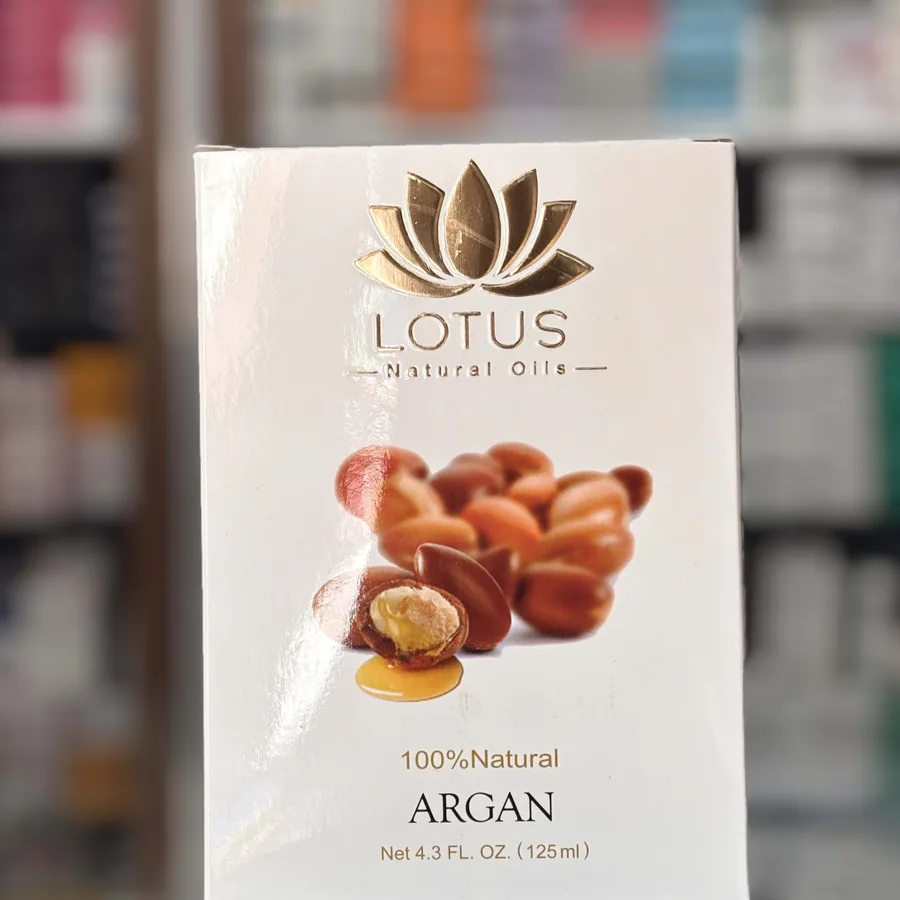
Argan oil comes from the kernels of a Moroccan tree. What it can and cannot do for skin and hair, how to use it, and how to choose it in Sharm.

Aloe vera oil is aloe carried in a plant oil. When it helps skin after the sun, when a cooling gel is the better choice, and how to choose it.
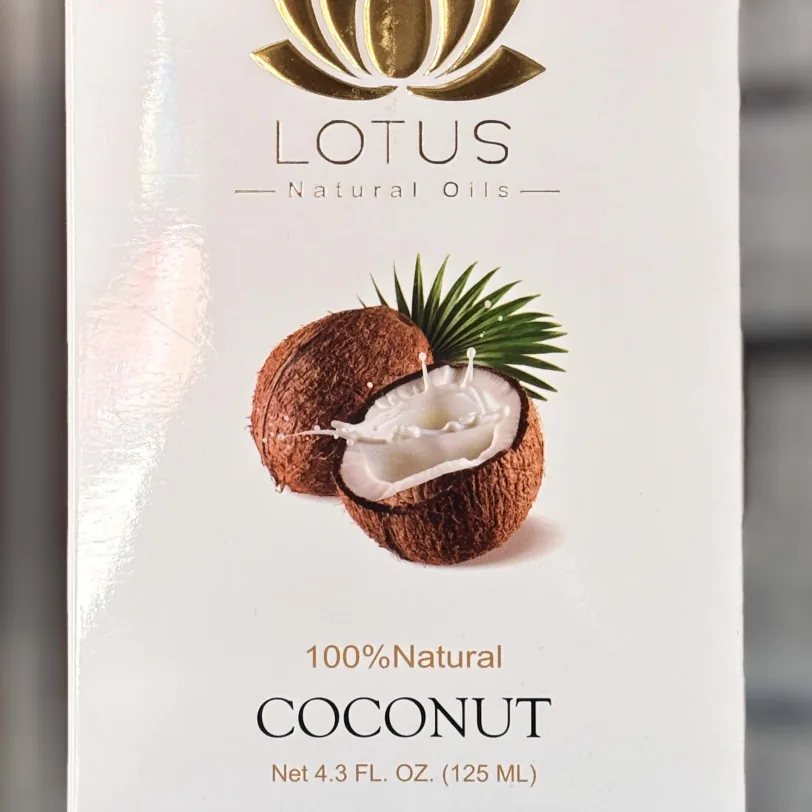
What coconut oil can do for hair and dry skin, where it can cause problems, and how to use, choose and store it on holiday.

Marjoram oil comes from a Mediterranean herb and is a traditional massage oil. What it is used for, what research shows, and who should not use it.
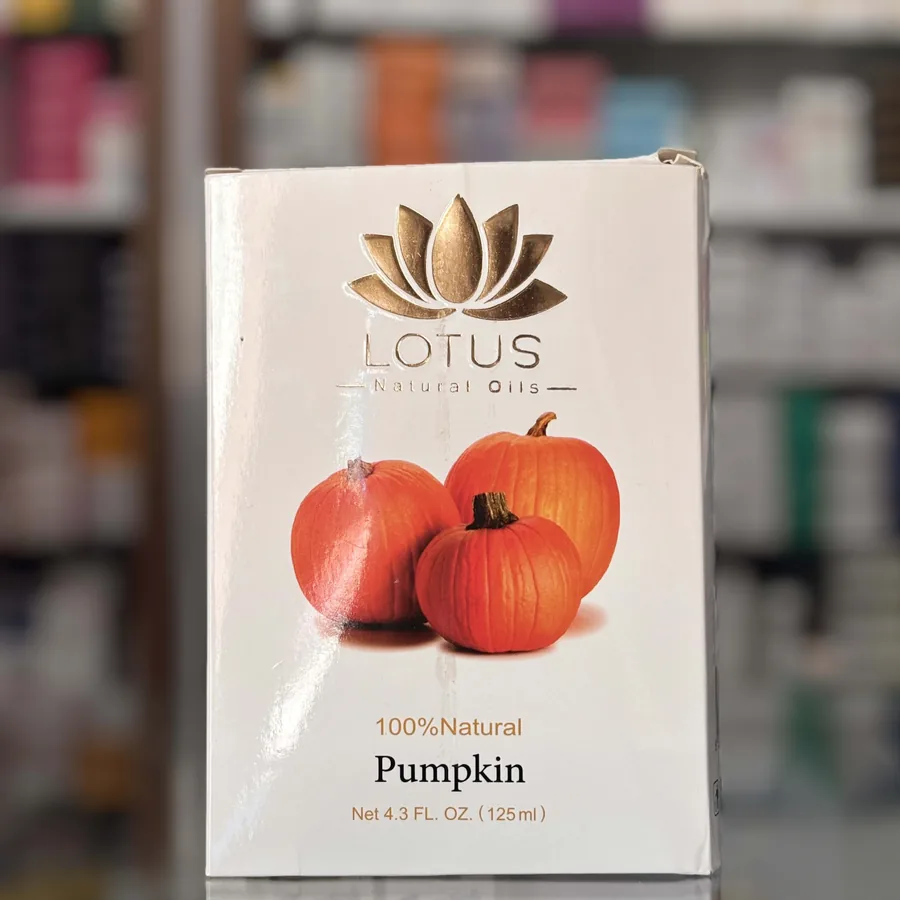
Two small studies suggest pumpkin seed oil may help some people with hair loss, but the evidence is weak. How to use it on hair and skin, and how to read the label.
Need something now?
Send a photo of the box or describe what you need. Free delivery to your hotel from $30.
Why choose us
5 pharmacies across Sharm El Sheikh
Open daily until 1:00 AM · All pharmacies