Argan oil
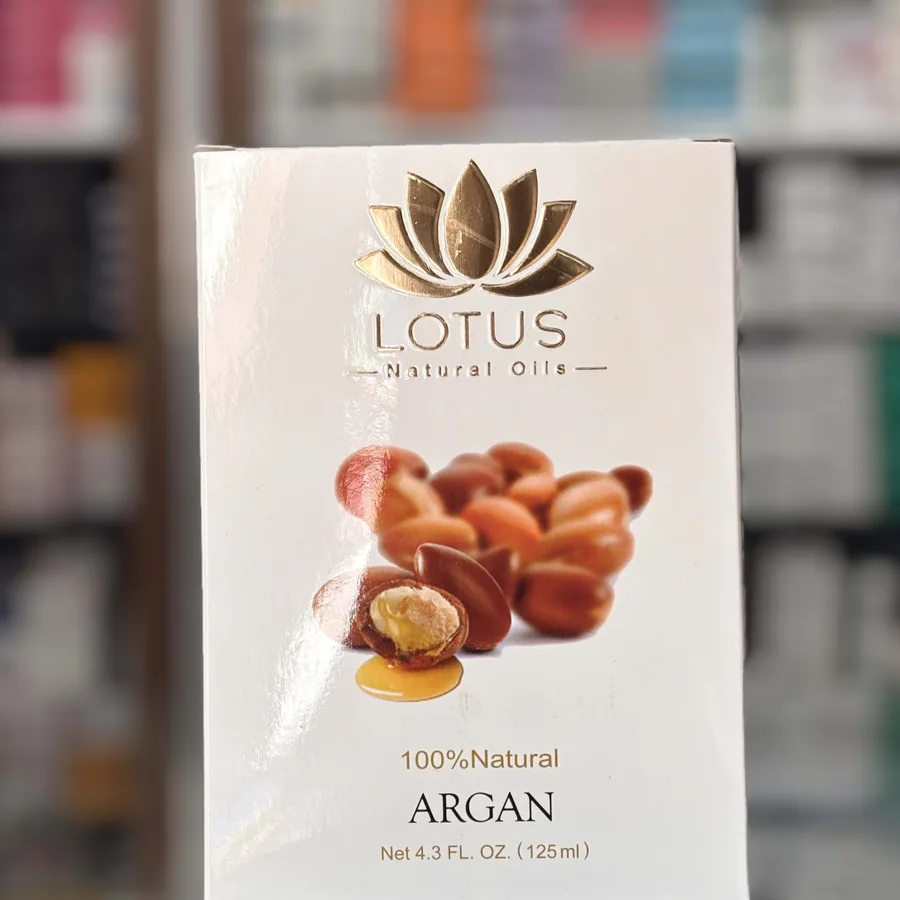
Argan oil comes from the kernels of a Moroccan tree. What it can and cannot do for skin and hair, how to use it, and how to choose it in Sharm.
What black seed oil is, how to use it on skin and hair, what the research really shows, and how to choose and store it safely.

Black seed oil comes from the seeds of Nigella sativa, a plant used in traditional remedies for centuries. You can use it as a cosmetic oil on skin and hair, but research on these uses is still limited. Test it on a small patch of skin first. This guide is for visitors who want to try it in Sharm or take it home.
Nigella sativa is a small plant from the buttercup family, with pale blue and white flowers. Its tiny black seeds are used as a spice and in traditional remedies. Egypt is one of the countries where it is grown.
In English the seeds are called black seed or black cumin. In Arabic they are known as habbat al-barakah, the “seed of blessing”. The most widely studied active substance in the seeds is thymoquinone.
We stock Lotus black seed oil. Lotus is made by TNG, a cosmetics company founded in Egypt. The label says “100% Natural” and gives the Latin name, Nigella sativa.
Black seed appears in old texts from many cultures, including ancient Egypt. Arabic, Unani and Ayurvedic traditional medicine used both the seeds and the oil.
Today black seed is also a cosmetic ingredient. For example, Emami makes a version of its 7 Oils in One hair oil with onion and black seed. On this page we cover cosmetic use on skin and hair only.
Most research on black seed has been done in laboratories and on animals. Studies on human skin are few and small.
A 2015 review of black seed in dermatology found early signs of potential. Its authors said proper drug-development studies are still needed before black seed can be used as a skin treatment.
One study tested creams made with black seed cake, the part of the seed left after the oil is pressed out. Compared with a placebo cream, these creams improved skin hydration and reduced irritation.
We found very little research on black seed oil for hair. So use it as a cosmetic oil, not as a treatment for any skin or hair problem.
Natural does not mean risk-free. Doctors have reported allergic skin rashes after people applied products made with black seed oil. One woman had a severe blistering reaction after she both applied and swallowed it.
If a rash or itching starts, wash the oil off with soap and water and stop using it.
On skin
On hair
Black seed oil is not a sunscreen. In Sharm’s strong sun, use a sunscreen with SPF 30 or higher.
When you buy black seed oil, check the label for:
Store the bottle closed, in a cool, dark place. Do not leave it in direct sun, on a balcony or in a hot car. If the oil starts to smell sour or different, stop using it.
See a doctor urgently if: your lips, mouth, throat or tongue suddenly swell after using the oil. Get help at once if you struggle to breathe or swallow, or suddenly feel very dizzy, confused or faint. In Egypt, call 123 for an ambulance. See a doctor soon if a rash spreads, blisters or affects your eyes or mouth.
Ask us about black seed oil on WhatsApp or call +20 120 344 2201. Our pharmacists speak English, Russian, Ukrainian and Italian, and can read the label with you. See all our Egyptian natural oils, or order with free hotel delivery on orders from $30.
FAQ
Black seed oil comes from the seeds of Nigella sativa and has a long history in traditional remedies. Today you can use it as a cosmetic oil for skin and hair. Research on these uses is still limited, so do not rely on it as a treatment, and patch test it first.
Only take an oil by mouth if its label says it is for food use. Ask a doctor first, especially if you take medicines or are pregnant or breastfeeding. Supplements can interact with medicines. If the label does not mention food use, use the oil on your skin and hair only.
Yes. Doctors have reported allergic skin rashes after people applied black seed oil, and rare severe skin reactions. Test it on the inside of your elbow before wider use. If a rash appears, wash it off and stop. Get urgent help if your lips or throat swell or you struggle to breathe.
Oils count as liquids at airport security. At most airports, each container in hand luggage must hold 100 ml or less, even if it is part empty. Check the volume on your bottle. Pack larger bottles in your checked suitcase, sealed in a plastic bag, and check your airline's rules.
Last updated 8 October 2026. General information, not a diagnosis: always read the leaflet and ask a pharmacist or doctor.
Argan oil comes from the kernels of a Moroccan tree. What it can and cannot do for skin and hair, how to use it, and how to choose it in Sharm.

Aloe vera oil is aloe carried in a plant oil. When it helps skin after the sun, when a cooling gel is the better choice, and how to choose it.
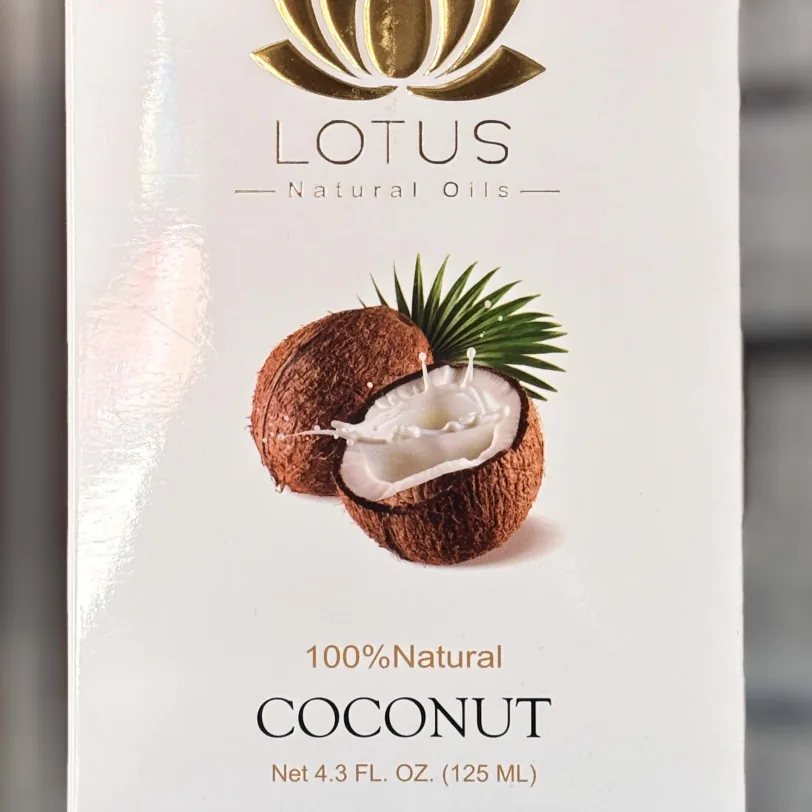
What coconut oil can do for hair and dry skin, where it can cause problems, and how to use, choose and store it on holiday.
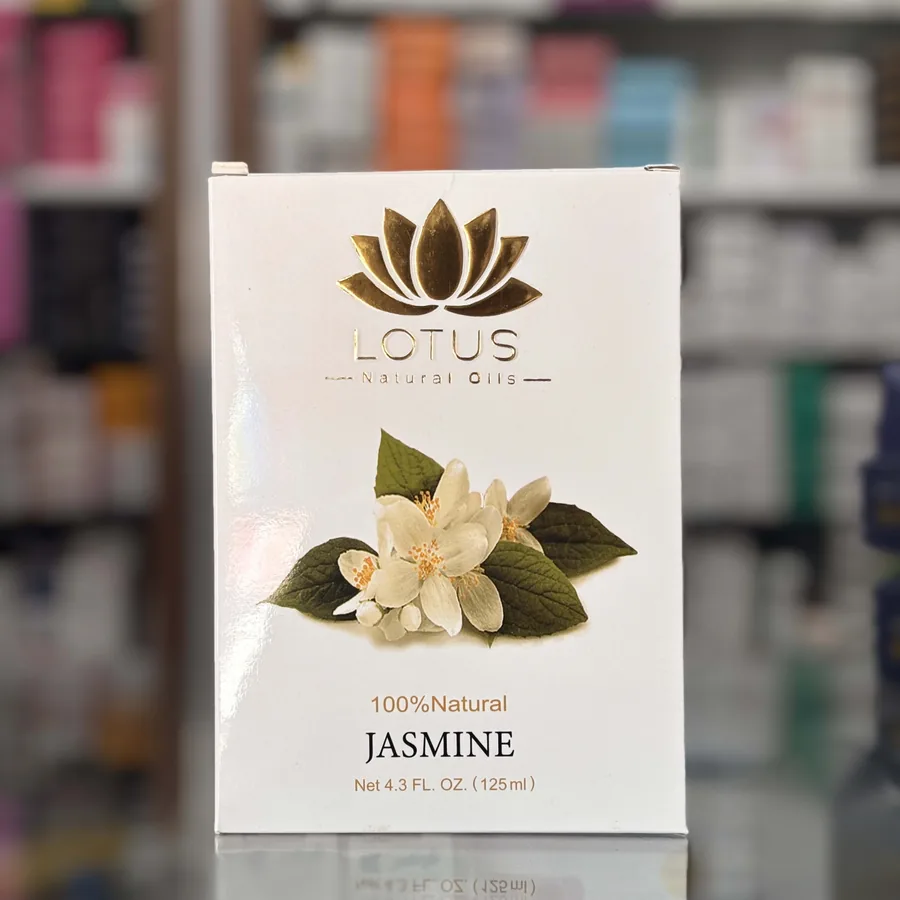
Egypt grows much of the world's jasmine for perfume. What a jasmine oil for skin usually contains, how to use it, and how to avoid a fragrance allergy.

Marjoram oil comes from a Mediterranean herb and is a traditional massage oil. What it is used for, what research shows, and who should not use it.
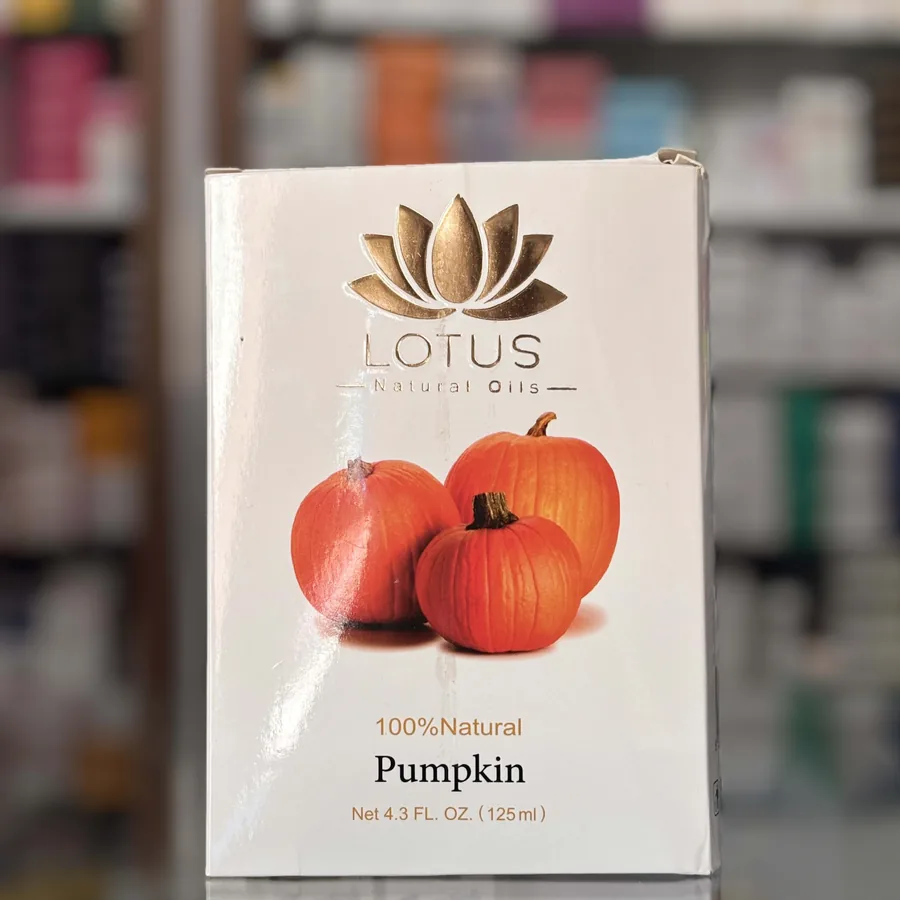
Two small studies suggest pumpkin seed oil may help some people with hair loss, but the evidence is weak. How to use it on hair and skin, and how to read the label.
Need something now?
Send a photo of the box or describe what you need. Free delivery to your hotel from $30.
Why choose us
5 pharmacies across Sharm El Sheikh
Open daily until 1:00 AM · All pharmacies