For a Ras Mohammed or Tiran boat trip, pack sun protection, plenty of water and a seasickness remedy if you need one. Add a small first-aid kit for coral scrapes, a towel for drying your ears and your regular medicines.
This list is for anyone joining a snorkelling or diving boat from Sharm El Sheikh, including families. Ras Mohammed lies about 12 km from Sharm. It became Egypt’s first national park in 1983, and the whole park is a no-take zone, where fishing is not allowed.
Your boat-day checklist
| Item | Why it helps |
|---|---|
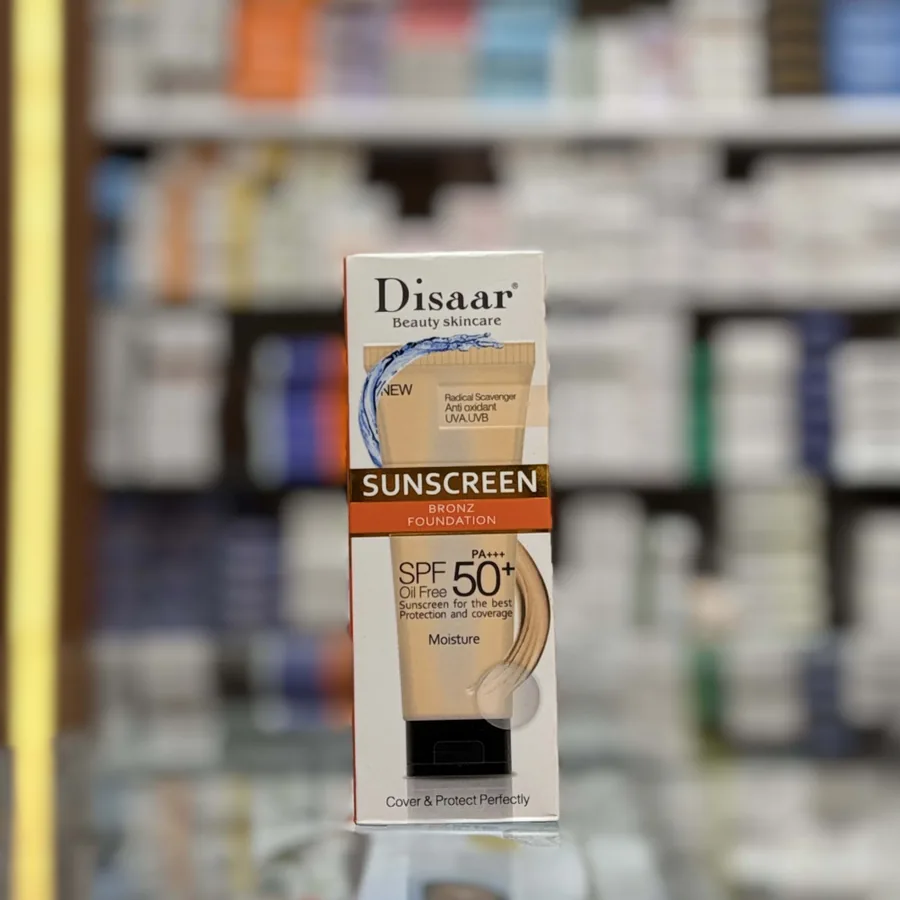
| Water-resistant sunscreen, SPF 30 or higher, for the body; a high-SPF face sunscreen such as Disaar SPF 50+ | Water reflects UV rays and washes sunscreen off |
| A hat, sunglasses and a long-sleeved top | Sunscreen alone is not enough |
| Bottled water and oral rehydration salts | They replace the water and salt you lose through sweating |
| A seasickness remedy chosen with the pharmacist | Some tablets need time to start working before you sail |
| Waterproof plasters, a sterile dressing and antiseptic wipes | For coral scrapes and small cuts |
| Aloe vera gel or after-sun | For sun-sore skin in the evening |
| A towel, and ear plugs if you use them | Dry ears help prevent swimmer’s ear |
| Your regular medicines | Keep them in a water-resistant bag |
Seasickness: plan before you board
Motion sickness happens when your inner ear and your eyes send your brain different signals. On a boat, sit in the middle, look at the horizon and stay in the fresh air.
Do not read or watch screens, and do not look at the rolling waves. Avoid heavy meals, spicy food and alcohol before and during the trip. You can also try ginger, as a tablet, biscuit or tea.
Ask the pharmacist about medicines and how they may affect you. Some, such as hyoscine, can cause drowsiness, dizziness or blurred vision, and alcohol can make the drowsiness worse.
Tell the pharmacist that you plan to snorkel. The US CDC notes that some medicines can raise the risk of drowning by affecting clear thinking and coordination.
Sun on the water
Water reflects UV rays, which increases your exposure. Water also washes sunscreen off, and its cooling effect can hide the fact that you are burning.
Use at least SPF 30 with good UVA protection. Reapply every 2 hours, and straight after each swim or towel dry, even if the label says water-resistant.
Cover up with a hat, sunglasses and a long-sleeved top. Sit in the shade when you can, especially when the sun is strongest.
What about “reef-safe” sunscreen? NOAA, the US ocean agency, says some chemical UV filters can harm corals and other sea life. It suggests mineral sunscreens and UV-protective clothing as better options.
The “reef-safe” label itself is not a guarantee. A 2019 study called it an unregulated term with no strict definition. Almost half of the “reef-safe” products it checked did not meet NOAA’s criteria.
Ask us to read the ingredient list with you.
Drink more than you think
Heat and sun make you sweat, and you lose water and salt. Drink more cold drinks than usual. Take bottled water, because tap water in Egypt is not safe to drink.
Signs of heat exhaustion include tiredness, dizziness, headache, nausea, heavy sweating, cramps and strong thirst. Move the person into the shade, give water or oral rehydration salts mixed with water, and cool their skin. They should feel better within 30 minutes.
Read our guide to heatstroke and dehydration before the trip.
Coral scrapes and small cuts
Cuts from coral and rocks often happen on the feet, the ankles and the backs of the hands. They can heal slowly and can become infected.
Wear reef shoes on rocks and reefs, and do not touch coral or unfamiliar sea creatures. If you are cut, remove any visible debris and rinse the wound with bottled water. Pat it dry, then cover it with a waterproof plaster or dressing.
Keep the wound clean and dry. DermNet, a dermatology reference, recommends tetanus protection after coral injuries, so ask a doctor whether you need a booster. If someone is stung, read our guide to jellyfish and other sea stings.
Ears after snorkelling
Water that stays in the ear canal can cause swimmer’s ear, a bacterial infection. Children get it more often than adults.
After each swim, tilt your head so that each ear faces down, then dry your ears well with a towel. Do not use cotton buds.
Ask a pharmacist or doctor before you use ear-drying drops. Do not use them if you have ear tubes, a damaged eardrum, ear pain or discharge.
Alcohol, sun and the sea
Alcohol makes water activities more dangerous. Among teenagers and adults, alcohol is involved in up to 70% of deaths linked to water recreation, such as boating or swimming.
Alcohol affects balance, coordination and judgement. It can add to the drowsiness from some seasickness tablets. The NHS also advises avoiding too much alcohol in hot weather, so keep drinks for the evening, back on land.
Children on board
Children should wear a life jacket and be closely supervised in and near the water. Keep babies under 6 months out of direct strong sunlight.
Give older children clothing, shade and at least SPF 30. Offer drinks often, because children are more at risk of heat exhaustion.
For seasickness, distract children by talking, playing music or singing songs. Dissolvable travel sickness tablets are available for children, so ask the pharmacist which product suits your child’s age.
Order your kit before the trip
Send your list on WhatsApp the day before, and we can help you prepare a travel kit for your boat day. Free hotel delivery is available for orders from $30, anywhere in Sharm El Sheikh.
See a doctor urgently if: someone has signs of heatstroke, such as hot skin without sweating, confusion, fast breathing or a seizure, or is still unwell after 30 minutes of cooling; lips, tongue or throat swell, or breathing becomes hard after a sting; a cut will not stop bleeding, is deep, or has something stuck in it; a cut becomes red, swollen, more painful or leaks pus, or you develop a high temperature; or there is ear pain with discharge. In an emergency in Egypt, call 123 for an ambulance.
Need help in Sharm?
Planning a boat trip? Message us on WhatsApp or call +20 120 344 2201, in English, Russian, Ukrainian or Italian. Hotel delivery is free for orders from $30.
FAQ
Questions people ask
What should I bring on a Ras Mohammed day trip?
Pack water-resistant sunscreen of at least SPF 30, a hat, sunglasses and a long-sleeved top, and plenty of bottled water. Add waterproof plasters, antiseptic wipes, oral rehydration salts and any seasickness remedy you need. Bring your regular medicines and a towel for drying your ears after snorkelling.
How can I avoid seasickness on a boat trip from Sharm?
Sit in the middle of the boat, look at the horizon and stay in the fresh air. Avoid heavy meals, spicy food and alcohol before and during the trip, and do not read or watch screens. If you need a medicine, ask the pharmacist first, because some cause drowsiness.
What does 'reef-safe' sunscreen mean?
'Reef-safe' is an unregulated marketing term with no strict definition. A 2019 study found that almost half of the 'reef-safe' products it checked did not meet NOAA criteria. NOAA says some chemical UV filters can harm corals, and it suggests mineral sunscreens and UV-protective clothing as better options.
What should I do if I cut myself on coral?
Leave the water, remove any visible debris and rinse the cut well with bottled water. Pat it dry, cover it with a waterproof plaster or dressing and keep it clean. Coral cuts can heal slowly and become infected, so see a doctor if redness, swelling, pain or pus increases.
How do I keep children safe on a boat trip?
Children should wear a life jacket and be closely supervised in and near the water. Keep babies under 6 months out of direct strong sunlight. Protect older children with clothing, shade and at least SPF 30, offer drinks often, and ask the pharmacist which seasickness products suit your child's age.
Sources and further reading (16)
- Ras Mohammed National Park — IUCN Green List
- Motion sickness — NHS
- Hyoscine hydrobromide: medicine for travel sickness — NHS
- Risk Factors for Drowning — CDC
- Sunscreen and sun safety — NHS
- Skincare Chemicals and Coral Reefs — NOAA National Ocean Service
- Evaluation of 'reef safe' sunscreens: labeling and cost implications for consumers (Tsatalis et al., 2019) — Journal of the American Academy of Dermatology
- Heat exhaustion and heatstroke — NHS
- Egypt travel advice — Department of Foreign Affairs, Ireland
- Travel Health Kits — CDC Yellow Book 2026
- Cuts and grazes — NHS
- Marine wounds and stings — DermNet
- Insect bites and stings — NHS
- Preventing Swimmer's Ear — CDC
- Traveling with Children — CDC Travelers' Health
- Getting help: Egypt travel advice — GOV.UK (FCDO)
Last updated 8 October 2026. General information, not a diagnosis: always read the leaflet and ask a pharmacist or doctor.

Apteka Sharm
5 pharmacies across Sharm El Sheikh, with pharmacists who speak English, Russian, Ukrainian and Italian. Questions about a product? Ask us on WhatsApp.