
Sunburn
How to cool and soothe sunburn, which after-sun products and painkillers help, how to protect children, and the warning signs that need a doctor.
How to recognise swimmer's ear after snorkelling, what helps, when ear drops need a doctor, how it differs from ear pain after diving, and how to prevent it.
Swimmer’s ear is an infection of the outer ear canal. It often starts when water stays in the ear after swimming or snorkelling. Keep the ear dry and do not use cotton buds. Paracetamol or ibuprofen can ease the pain if they suit you. See a doctor if your ear hurts or leaks fluid, because you may need prescription ear drops.
What to do now:
Swimmer’s ear is also called acute otitis externa. It affects the ear canal, the tube between the outer ear and the eardrum. Symptoms are often mild at first but can get worse without treatment.
Signs include:
In advanced cases, the pain can spread to the face, neck or side of the head. You may also have a fever or swollen glands in the neck.
Water that stays in the ear canal wears down its protective wax and skin, and bacteria multiply in the damp. Cotton buds, hairpins or fingernails can scratch the skin and let bacteria in. Earbuds, hearing aids and eczema also raise the risk.
Ear pain after a dive is often a different problem: ear barotrauma, also called “ear squeeze”. It is the most common injury in divers. It happens when the pressure in the middle ear does not equalise as you go down.
Ear barotrauma can cause:
Swimmer’s ear usually itches, and pulling the outer ear makes it hurt more. If you think you have ear barotrauma, stop diving and see a doctor. Read more in our guide to diving and your ears.
Keep the ear dry. Do not swim, snorkel or dive until it has healed. In the shower, protect the ear with cotton wool coated in petroleum jelly.
Ease the pain. Paracetamol or ibuprofen can help. Follow the leaflet. Ibuprofen is not suitable for everyone, for example people with asthma, a stomach ulcer, or heart, liver or kidney problems. A warm flannel held on the ear may also help.
Leave the ear canal alone. Wipe any discharge from the outer ear with cotton wool, but put nothing inside the ear.
Take out earplugs and earbuds. Do not wear them, or a hearing aid, until the pain and discharge stop.
Get it checked. Mayo Clinic advises seeing a doctor even for mild symptoms. Quick treatment helps prevent complications.
Swimmer’s ear is usually treated with ear drops. Depending on the cause, they may contain:
Ear drops with an antibiotic or a steroid need a doctor’s prescription. The doctor first looks into your ear to check that the eardrum is not torn or damaged. A severe infection may need antibiotic tablets. Follow the doctor’s instructions and the leaflet. Drops may not work if they are not used correctly.
Products that can help:
Children. Swimmer’s ear is more common in children than in adults. A young child with ear pain may rub or pull their ear, be irritable or not react to some sounds. Children under 16 should not take aspirin. Ask our pharmacist which painkiller and strength suits your child. See a doctor if a baby under 12 months may have an ear infection.
Pregnancy. Paracetamol is usually the preferred painkiller in pregnancy. Avoid ibuprofen unless a doctor or pharmacist advises it. Ask a doctor or pharmacist before you use any ear drops.
Older people and long-term conditions. Rarely, swimmer’s ear spreads to the cartilage and bone around the ear. Being older, or having diabetes or a weak immune system, raises this risk. See a doctor early rather than waiting for it to clear.
See a doctor urgently if:
Get emergency help for severe ear pain, or ear pain with a fever. Call too if a diver has chest pain, breathing problems, weakness, numbness or confusion, or collapses after a dive. In Egypt, call 123 for an ambulance.
Our Russian-speaking pharmacists also speak English, Ukrainian and Italian, so you can describe your symptoms clearly. Message us on WhatsApp or call +20 120 344 2201 for painkillers, earplugs or advice. If you need a doctor, read how to choose a pharmacy, doctor or hospital in Sharm. We have 5 pharmacies across Sharm El Sheikh, and we offer free hotel delivery on orders from $30.
FAQ
Swimmer's ear is usually treated with ear drops. Depending on the cause, they may contain an acid, a steroid, an antibiotic or an antifungal medicine. A doctor first checks that your eardrum is not damaged. Keep the ear dry, and take paracetamol or ibuprofen for the pain if they suit you.
Ask our pharmacist first. A pharmacist can tell you whether a non-prescription product may help, or whether you need a doctor. Ear drops with an antibiotic or a steroid need a doctor's prescription. Do not use ear-drying drops if you have ear tubes, a damaged eardrum, an ear infection or discharge.
No. Keep the ear dry until it has healed. The NHS advises against swimming while you have an ear infection, and Mayo Clinic advises no swimming or diving during treatment. Do not wear earplugs or earbuds until the pain and discharge stop. In the shower, protect the ear with cotton wool and petroleum jelly.
With swimmer's ear, the ear canal itches and hurts. Pulling the outer ear, or pressing the small bump in front of it, makes the pain worse. Ear pain from diving usually starts as you go down. It can come with muffled hearing, fullness, ringing or dizziness. Stop diving and see a doctor.
No. Cotton buds can scratch the thin skin of the ear canal and push dirt deeper, which can lead to swimmer's ear. Earwax also helps protect the ear from infection. After swimming, tilt your head so the water drains out, then dry the outer ear gently with a towel.
No. Swimmer's ear cannot spread from one person to another. It is an infection of the outer ear canal, usually caused by bacteria. It often starts when water stays in the ear canal and wears down its protective wax and skin. Children get it more often than adults.
Last updated 8 October 2026. General information, not a diagnosis: always read the leaflet and ask a pharmacist or doctor.
How to cool and soothe sunburn, which after-sun products and painkillers help, how to protect children, and the warning signs that need a doctor.

How to spot heat exhaustion, heatstroke and dehydration, how to cool someone down, what to buy at the pharmacy, and when to call 123.

Most traveller's diarrhoea settles in a few days. How to replace fluids, what to eat, which pharmacy products can help and when to see a doctor.
How to rehydrate after vomiting, which buffet foods and drinks carry more risk, what to buy at the pharmacy and the warning signs that need a doctor.
What to do after a jellyfish or fire coral sting, a sea urchin spine or a venomous fish sting in the Red Sea, including the vinegar question and the warning signs.
How to clean and dress a coral cut, why coral wounds often get infected, when you may need a tetanus booster, and the warning signs that need a doctor.
How to prevent and ease seasickness on boat trips from Sharm El Sheikh: simple tips first, the types of medicine to ask about, children and pregnancy, and warning signs.

Why air-conditioning can leave your throat sore and your nose blocked, how to tell it from a cold or an allergy, what helps, and when to see a doctor.
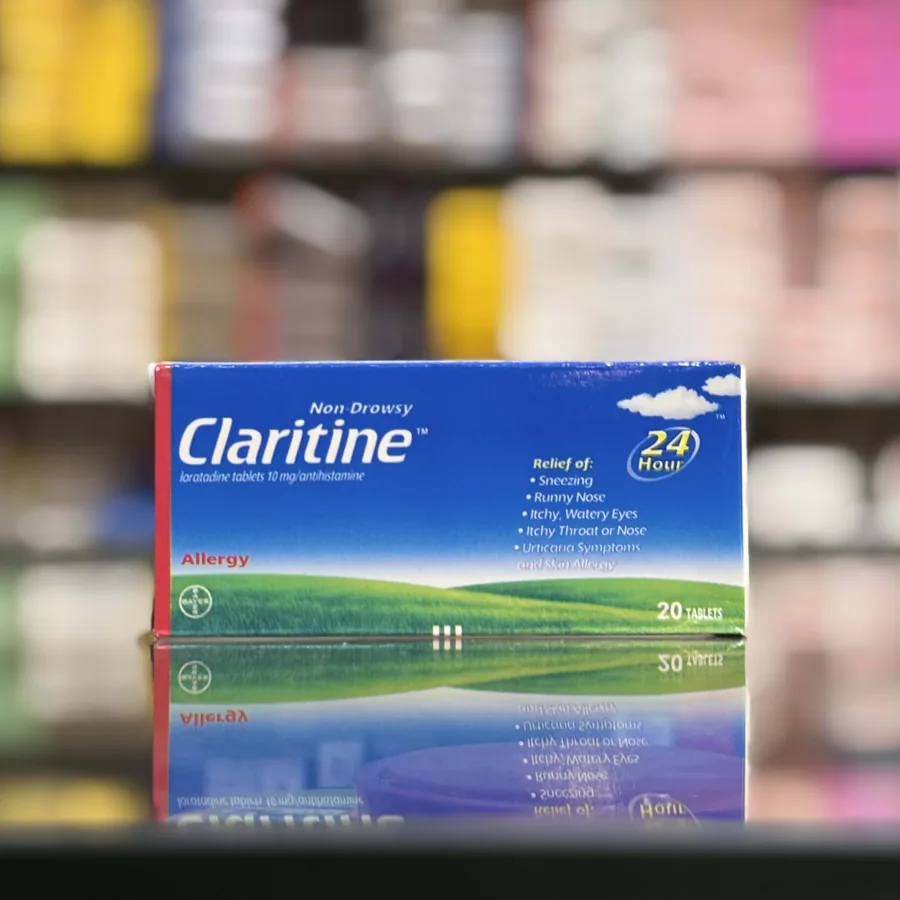
How to treat mosquito bites and bee or wasp stings, which repellents work, how antihistamines such as loratadine help, and the signs of a severe allergic reaction.
How to check your child's temperature, keep them comfortable, tell a fever from heat illness and recognise the warning signs that need a doctor.
Need something now?
Send a photo of the box or describe what you need. Free delivery to your hotel from $30.
Why choose us
5 pharmacies across Sharm El Sheikh
Open daily until 1:00 AM · All pharmacies