
For a family holiday in Egypt, pack sun protection, oral rehydration salts and a digital thermometer. Add children’s pain and fever medicine with its measuring syringe, plasters, insect repellent and saline nose drops. In your hotel room, keep every medicine out of your child’s reach.
This checklist is for parents and grandparents in Sharm El Sheikh. Our pharmacists speak English, Russian, Ukrainian and Italian.
Your Egypt with kids pharmacy checklist
Brands named are examples we stock. Ask us what is in stock today.
| Need | What to pack or buy | Good to know |
|---|---|---|
| Sun | Sunscreen SPF 30 or higher with good UVA protection; a sun hat; a long-sleeved top; after-sun gel | Keep babies under 6 months out of direct strong sunlight |
| Fluids | Bottled water; oral rehydration salts (ORS) | Mix ORS with bottled water exactly as the pack says |
| Tummy upsets | ORS first; ask us before any other medicine | No medicine to stop diarrhoea for children under 12, and no Antinal for children |
| Fever and pain | A digital thermometer; children’s paracetamol or ibuprofen with its oral syringe | Dose by age or weight from the leaflet; never aspirin under 16 |
| Bites | An insect repellent that suits your child’s age; an anti-itch product | Ask which products suit your child’s age |
| Swimming ears | A towel; ear plugs or a swim cap if your child uses them | No cotton buds; see a doctor for ear pain or discharge |
| First aid | Waterproof plasters, antiseptic wipes, sterile dressings, tweezers | Rinse small cuts with bottled water |
| Blocked nose | Saline nose drops, such as Otrivin Baby | No cough and cold remedies under 6 without advice |
| Everyday care | Baby shampoo, such as Johnson’s; kids’ gummies, such as Tiny Brainies | Store gummies out of reach, like medicines |
Sun and heat
Children’s skin is much more sensitive than adult skin. Keep babies under 6 months out of direct strong sunlight.
For older children, use a sunscreen with at least SPF 30 and good UVA protection. Apply it to all skin that clothes do not cover.
Reapply every 2 hours, and straight after swimming or towel drying, even if the label says water-resistant. Hats, long sleeves and shade matter too, especially from 11am to 3pm.
Children are more at risk of heat exhaustion. Signs include tiredness, dizziness, headache, being sick and strong thirst. Move your child somewhere cool, give fluids and cool their skin with water. They should feel better within 30 minutes.
Fluids and tummy upsets
Babies and children become dehydrated more easily than adults. Offer drinks often in the heat, and use bottled water.
Diarrhoea is common in children who travel. Fluids are the main treatment, and there is usually no need for medicine.
- Give oral rehydration salts (ORS) mixed with bottled water, exactly as the pack says. Ask us which product suits your child.
- Keep breastfeeding or giving formula as usual. Do not make formula weaker.
- Avoid fruit juice and fizzy drinks, which can make diarrhoea worse.
Do not give a child medicine to stop diarrhoea without advice from a doctor or pharmacist. The NHS advises against these medicines for children under 12. The US CDC also says products containing bismuth should not be given to children.
Do not give Antinal (nifuroxazide) to children. Our guide to Antinal explains why.
Fever
A high temperature is 38°C or more. Check it with a digital thermometer under the arm, and give your child plenty of fluids.
Children’s paracetamol or ibuprofen can help if your child is distressed or uncomfortable. Check the leaflet to make sure the medicine suits your child’s age, or ask our pharmacist.
- Do not give ibuprofen to a child who is dehydrated, and ask first if your child has asthma.
- Do not give paracetamol and ibuprofen together, or alternate them, unless a doctor tells you to.
- Never give aspirin to children under 16.
Read more in our guide to fever in children.
Children’s doses: always by age or weight
Children’s medicines come in different strengths. The right dose depends on your child’s age or weight. Read the leaflet every time, or ask a pharmacist.
- Measure each dose with the oral syringe or spoon that comes with the medicine. Never use a kitchen teaspoon.
- Write down each dose and the time you gave it.
- Never give your child medicine bought or prescribed for someone else.
We do not give doses online. Send us a photo of the box with your child’s age, weight and allergies. We will explain the leaflet in any of the four languages we speak.
Bites and stings
Dress children in clothes that cover their arms and legs, and cover buggies with a mosquito net.
Choose an insect repellent that suits your child’s age, and follow the label. Spray it onto your own hands, then apply it to your child’s face. Do not put repellent on a child’s hands, eyes, mouth, cuts or irritated skin. Apply sunscreen first, then repellent.
For an itchy bite, wash the skin with soap and water, then hold a cold, wet cloth on it. Try to stop your child scratching.
A baby under 1 year with an insect bite or sting should see a doctor.
Watch children closely around animals. Wash any animal bite or scratch with soap and water, and see a doctor straight away.
Swimming ears
Children get swimmer’s ear, an infection of the ear canal, more often than adults. Water that stays in the ear can start it.
After swimming, help your child tilt their head so each ear faces down, then towel-dry the ears. Do not use cotton buds. Only use ear drops or oil if a doctor advises it.
See a doctor if your child has ear pain or discharge from the ear. In and near the water, watch children closely and use a life jacket.
First aid and everyday care
To clean a small cut, rinse it with bottled water, pat it dry and cover it with a plaster. See a doctor if a cut becomes red, swollen or more painful, or leaks pus.
For a stuffy nose, saline nose drops such as Otrivin Baby can help loosen dried mucus.
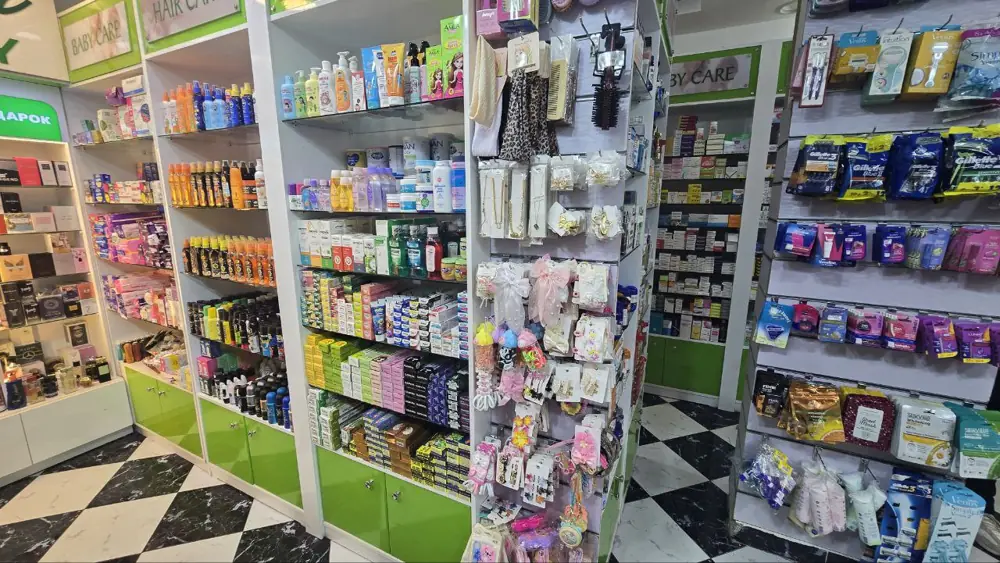
We also stock Johnson’s baby shampoo, and Tiny Brainies kids’ gummies. Too much of some vitamins can be harmful, so never give two supplements at the same time.
Browse our baby and kids’ products, or ask us to help you build a family travel kit.
Safe storage in your hotel room
Store medicines as carefully as you do at home.
- Keep all medicines, vitamins and supplements, including gummies, up and away, out of your child’s reach and sight.
- Use a high shelf or cupboard, or the room safe. Keep bags that contain medicines out of reach too.
- Keep medicines in their original child-resistant packs. Pill organisers and plastic bags often lack child-safety features.
- Check the floor for dropped tablets.
- Ask a pharmacist how to store each medicine. Some need a fridge, and some must stay out of direct sunlight.
See a doctor urgently if:
- a baby under 3 months has a temperature of 38°C or higher
- a baby under 12 months is unwell, or your child stops feeding
- your child has signs of dehydration, such as fewer wet nappies, no tears or unusual drowsiness
- there is blood in the stool, or your child cannot keep fluids down
- an animal has bitten or scratched your child
In Egypt, call 123 for an ambulance if your child:
- has a fit or difficulty breathing
- has a stiff neck, or a rash that does not fade when you press a glass on it
- has blue, grey or blotchy skin, or swelling of the lips, tongue or throat
- is drowsy and hard to wake, or has signs of heatstroke such as hot skin without sweating
Need help in Sharm?
Travelling with children? Message us on WhatsApp or call +20 120 344 2201, in English, Russian, Ukrainian or Italian. Send a photo of the box and your child’s age and weight. Hotel delivery is free for orders from $30.
FAQ
Questions people ask
What should I pack for my children's health in Egypt?
Pack sunscreen of at least SPF 30, sun hats, oral rehydration salts, a digital thermometer and children's pain and fever medicine with its measuring syringe. Add plasters, antiseptic wipes, an insect repellent that suits your child's age and saline nose drops. Bring your child's regular medicines in their original packs.
Can I give my child medicine for diarrhoea in Egypt?
Fluids come first. Give oral rehydration salts mixed with bottled water, and keep breastfeeding or formula feeding as usual. Do not give medicine to stop diarrhoea without advice. The NHS advises against it for children under 12. Never give Antinal to children. Get medical help for blood in the stool, fever or dehydration.
How do I find the right dose of a children's medicine?
Children's medicines come in different strengths, and the dose depends on your child's age or weight. Read the leaflet every time, or ask a pharmacist. Measure each dose with the oral syringe or spoon from the pack, never a kitchen teaspoon. Write down each dose and the time you gave it.
When should I take my child to a doctor in Sharm El Sheikh?
Get urgent help if a baby under 3 months has a temperature of 38°C or higher, or if a baby under 12 months is unwell. Also see a doctor for signs of dehydration, blood in the stool or an animal bite. Call 123 if your child has a fit or struggles to breathe.
How should I store children's medicines in a hotel room?
Keep all medicines, vitamins and gummies up and away, out of your child's reach and sight. The US CDC suggests a high shelf or cupboard, or the hotel room safe. Keep medicines in their original child-resistant packs, check the floor for dropped tablets, and ask a pharmacist whether any medicine needs a fridge.
What sunscreen should children use in Egypt?
Choose a sunscreen with at least SPF 30 and good UVA protection, and a water-resistant one for swimming. Reapply every 2 hours, and straight after swimming or towel drying. Keep babies under 6 months out of direct strong sunlight, and give older children hats, long sleeves and shade.
Sources and further reading (14)
- Traveling with Children — CDC Travelers' Health
- Diarrhoea and vomiting — NHS
- Dehydration — NHS
- Sunscreen and sun safety — NHS
- Heat exhaustion and heatstroke — NHS
- High temperature (fever) in children — NHS
- Medicines for babies and children — NHS
- Colds, coughs and ear infections in children — NHS
- Insect bites and stings — NHS
- Preventing Swimmer's Ear — CDC
- Cuts and grazes — NHS
- Vitamins for children — NHS
- Summer Travel Toolkit: safe medicine storage when travelling with young children — CDC Medication Safety
- Getting help: Egypt travel advice (emergency numbers) — GOV.UK (FCDO)
Last updated 8 October 2026. General information, not a diagnosis: always read the leaflet and ask a pharmacist or doctor.

Apteka Sharm
5 pharmacies across Sharm El Sheikh, with pharmacists who speak English, Russian, Ukrainian and Italian. Questions about a product? Ask us on WhatsApp.