

Black seed oil
What black seed oil is, how to use it on skin and hair, what the research really shows, and how to choose and store it safely.
What coconut oil can do for hair and dry skin, where it can cause problems, and how to use, choose and store it on holiday.
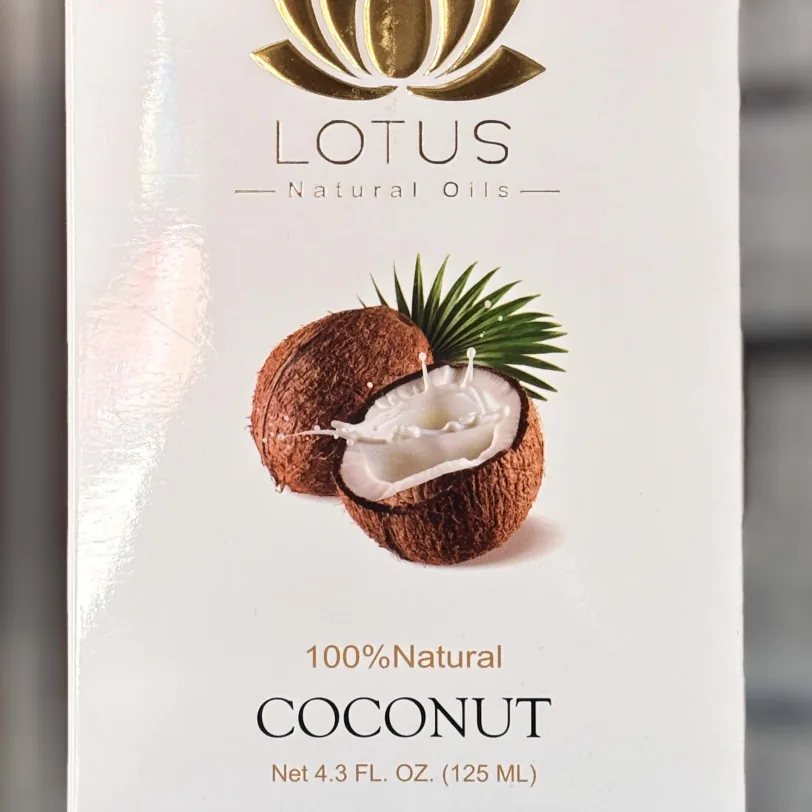
Coconut oil is a rich body moisturiser and a useful treatment for hair before washing. It can also clog pores, so most people should keep it off the face and off acne-prone skin. This guide is for visitors who want to use it safely on holiday or take it home.
Coconut oil is extracted from the white flesh, or kernel, of mature coconuts from the coconut palm (Cocos nucifera). It is a highly saturated fat, and about half of it is lauric acid.
Coconut oil is solid and white in a cool room and turns into a clear liquid when warm. Both forms are normal.
Unrefined, cold-pressed coconut oil is made without heat. For skin care, Cleveland Clinic advises choosing pure, unrefined, cold-pressed coconut oil.
We stock Lotus coconut oil, made by TNG, a cosmetics company founded in Egypt. The box says “100% Natural” and holds 125 ml.
In a laboratory study, coconut oil reduced protein loss from both damaged and undamaged hair. It worked when used before and after washing. Sunflower oil and mineral oil did not have this effect.
Researchers think the reason is lauric acid. Its molecules are small and straight, so coconut oil can get inside the hair shaft.
This study used hair samples, not people. It suggests coconut oil may help protect hair during washing. It does not show that coconut oil makes hair grow.
In a clinical trial, coconut oil worked as well as mineral oil as a moisturiser for mild to moderate dry skin. It was just as safe.
A Cleveland Clinic dermatologist explains that coconut oil can reduce water loss from the skin. This helps skin that tends to be dry.
If a rash or itching starts, wash the oil off and stop using it.
On hair, before washing
On the body
On lips and for make-up
Use a tiny amount on dry lips. To remove make-up, wipe it off with a little oil on a cotton pad. Then wash your face with a gentle, water-based cleanser to avoid clogged pores.
Keep the bottle closed, in a cool, dark place, away from direct sun. If the oil smells sour or changes colour, stop using it.
See a doctor urgently if: your lips, mouth, throat or tongue suddenly swell after using the oil. Get help at once if you struggle to breathe or swallow, or suddenly feel very dizzy, confused or faint. In Egypt, call 123 for an ambulance. See a doctor soon if a rash spreads, blisters or affects your eyes or mouth.
Ask about Lotus coconut oil on WhatsApp or call +20 120 344 2201. Our pharmacists speak English, Russian, Ukrainian and Italian. See our hair care products and other Egyptian natural oils, or order with free hotel delivery on orders from $30.
FAQ
In a laboratory study, coconut oil reduced protein loss from hair when used before and after washing, while sunflower and mineral oil did not. This suggests it can help protect hair during washing. It is not proven to make hair grow. Use a small amount and wash it out with shampoo.
A Cleveland Clinic dermatologist generally advises against it. Coconut oil is highly comedogenic, which means it can clog pores and cause spots, blackheads and whiteheads. It may also cause tiny white bumps under the eyes. Use it on your body instead, especially on dry areas such as elbows, knees and feet.
No. Coconut oil is not a sunscreen. In Sharm's strong sun, use a sunscreen with SPF 30 or higher and reapply it as the label says. Do not put coconut oil on fresh, hot sunburn, because oil can trap heat in the skin at that stage.
Coconut oil turns solid and white in a cool room, for example with air conditioning, and melts into a clear liquid when it is warm. This is normal. To melt it, warm the bottle in your hands or in warm water. Check the smell and the expiry date before you use it.
Last updated 8 October 2026. General information, not a diagnosis: always read the leaflet and ask a pharmacist or doctor.
What black seed oil is, how to use it on skin and hair, what the research really shows, and how to choose and store it safely.
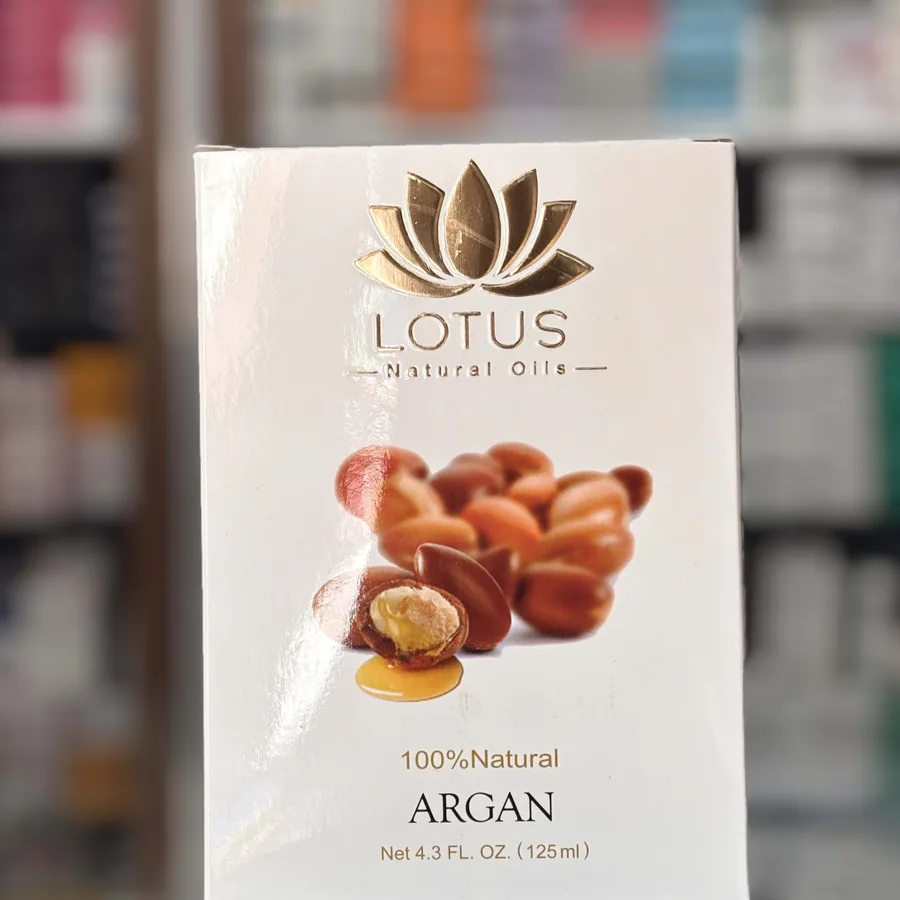
Argan oil comes from the kernels of a Moroccan tree. What it can and cannot do for skin and hair, how to use it, and how to choose it in Sharm.

Aloe vera oil is aloe carried in a plant oil. When it helps skin after the sun, when a cooling gel is the better choice, and how to choose it.
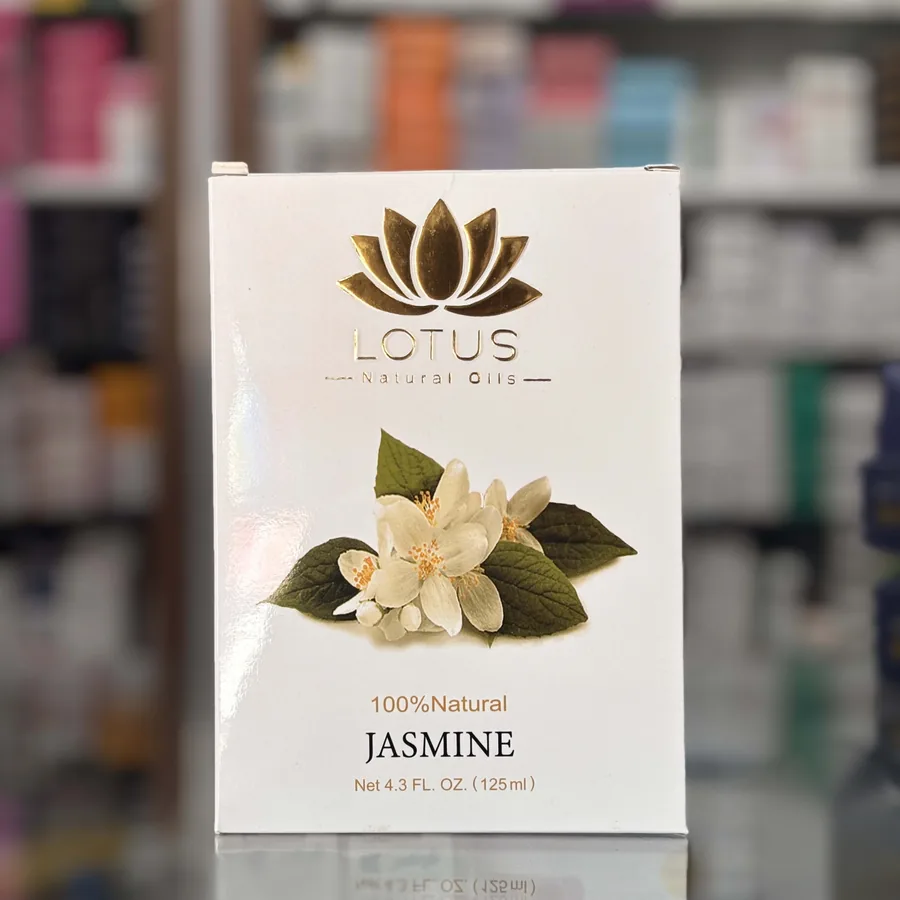
Egypt grows much of the world's jasmine for perfume. What a jasmine oil for skin usually contains, how to use it, and how to avoid a fragrance allergy.

Marjoram oil comes from a Mediterranean herb and is a traditional massage oil. What it is used for, what research shows, and who should not use it.
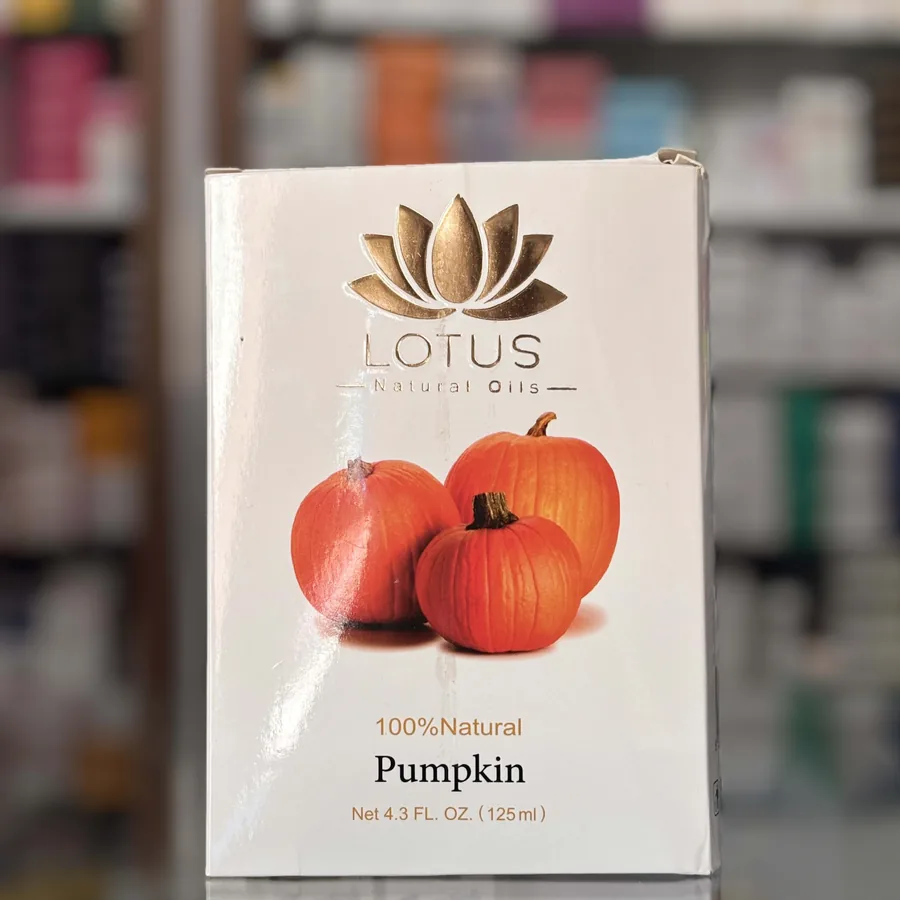
Two small studies suggest pumpkin seed oil may help some people with hair loss, but the evidence is weak. How to use it on hair and skin, and how to read the label.
Need something now?
Send a photo of the box or describe what you need. Free delivery to your hotel from $30.
Why choose us
5 pharmacies across Sharm El Sheikh
Open daily until 1:00 AM · All pharmacies