

Black seed oil
What black seed oil is, how to use it on skin and hair, what the research really shows, and how to choose and store it safely.
Marjoram oil comes from a Mediterranean herb and is a traditional massage oil. What it is used for, what research shows, and who should not use it.

Marjoram oil is traditionally used as a massage oil for tired, aching muscles and joints, and for its herbal scent. Research in people is limited, so treat it as a cosmetic massage oil, not a treatment. Pure marjoram essential oil must be diluted, and it is not for use in pregnancy or breastfeeding. This guide is for visitors who want to try it in Sharm or take it home.
Sweet marjoram (Origanum majorana, also called Majorana hortensis) is a bushy herb from the mint family. It grows 30 to 60 cm tall, with small oval leaves and white or red flowers.
The herb is native to the Mediterranean region. It is grown in many countries, including Egypt, Spain, Hungary, Germany, Poland and France. In the kitchen, the leaves are used as a herb and a garnish.
You may find two kinds of marjoram product:
We stock Lotus marjoram oil, made by TNG, a cosmetics company founded in Egypt. Ask us to show you the label before you buy.
Marjoram has a long history in folk medicine in many countries. A 2017 review collected these traditional uses. In India, the essential oil has been used to soothe joints and muscular pain. In Turkey, it has been used for headache and rheumatism. In Egypt, the leaves have been used for colds and chills.
Marjoram is also used in aromatherapy massage. In this kind of massage, one or more essential oils are diluted in a carrier oil and massaged into the skin.
Traditional use is not proof that an oil works.
Most research on marjoram has been done in laboratories and on animals. The 2017 review lists many effects seen in these studies, such as antioxidant and antibacterial activity. Results in a test tube or in rats do not show that an oil works in people.
Studies in people are few and small. In one trial, 48 patients with period pain massaged their lower belly with a cream every day. Half used a cream with lavender, clary sage and marjoram oils, and half used a cream with a synthetic fragrance. Pain scores fell in both groups. Because the cream mixed three oils, the trial cannot show what marjoram does on its own.
More broadly, studies of aromatherapy have shown mixed results.
So enjoy marjoram oil as a massage oil, not as a treatment. See a doctor for pain that is severe, follows an injury or does not get better.
If a rash, itching or burning starts, wash the oil off with soap and water and stop using it.
Need a plain base oil? Our coconut oil guide explains how to use coconut oil on the body.
Check the label for:
Keep the bottle tightly closed, in a cool, dark place, out of reach of children. If the smell changes, stop using it.
See a doctor urgently if: your lips, mouth, throat or tongue suddenly swell after using the oil. Get help at once if you struggle to breathe or swallow, or suddenly feel very dizzy, confused or faint. In Egypt, call 123 for an ambulance. If someone, especially a child, swallows the oil, get medical advice straight away.
Ask about Lotus marjoram oil on WhatsApp or call +20 120 344 2201. Our pharmacists speak English, Russian, Ukrainian and Italian, and can read the label with you. See our other Egyptian natural oils, or order with free hotel delivery on orders from $30.
FAQ
Marjoram oil is traditionally used as a massage oil for aching muscles and joints, and for its herbal scent. Most research on marjoram has been done in laboratories and on animals, and studies in people are few and small. Use it as a cosmetic massage oil, not as a treatment for pain or illness.
No. Undiluted essential oils can make your skin allergic. Use a ready-mixed massage oil, or dilute pure essential oil in a plain plant oil as the label says. Test it on the inside of your elbow for 7 to 10 days first. Ask our pharmacist if you are not sure how to mix it.
No. A 2017 review of sweet marjoram says its essential oil should not be used by pregnant or breastfeeding women. Marjoram has traditionally been used to bring on periods, which is a concern in pregnancy. Ask your doctor before you use any product that contains marjoram.
Ask a pharmacist or doctor first, and never put pure essential oil on a child's skin. Keep the bottle closed and out of reach of children. If a child swallows the oil, get medical advice straight away. In Egypt, call 123 for an ambulance if the child is drowsy or has trouble breathing.
Last updated 8 October 2026. General information, not a diagnosis: always read the leaflet and ask a pharmacist or doctor.
What black seed oil is, how to use it on skin and hair, what the research really shows, and how to choose and store it safely.
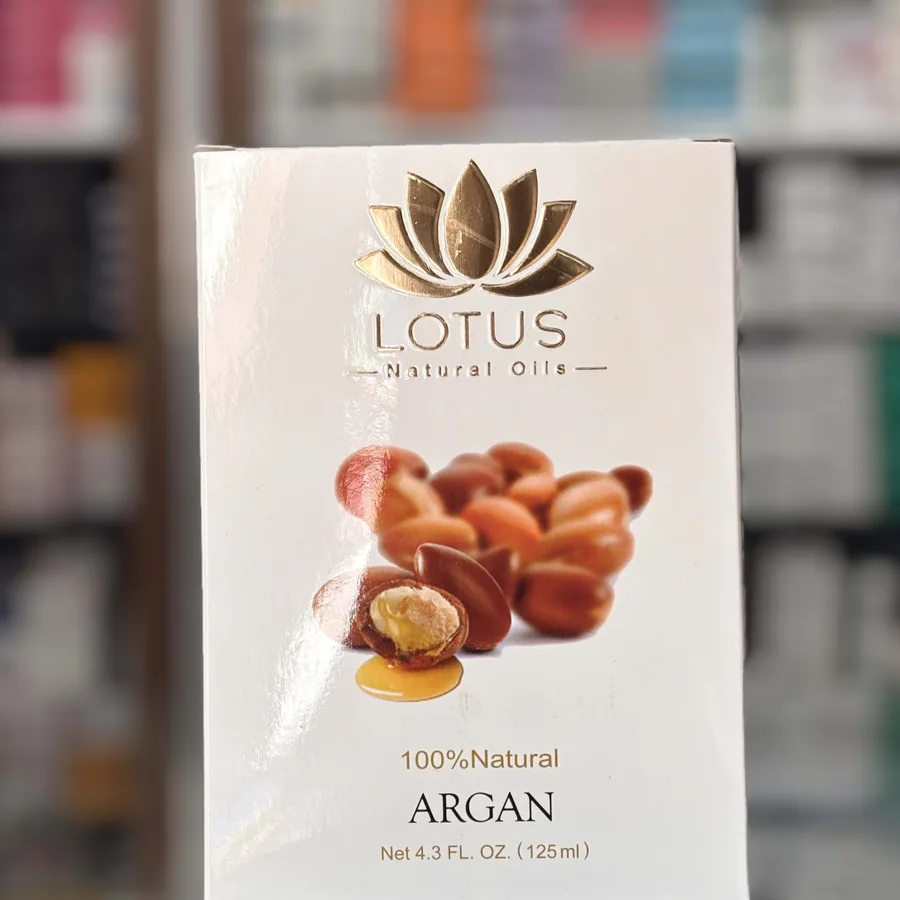
Argan oil comes from the kernels of a Moroccan tree. What it can and cannot do for skin and hair, how to use it, and how to choose it in Sharm.

Aloe vera oil is aloe carried in a plant oil. When it helps skin after the sun, when a cooling gel is the better choice, and how to choose it.
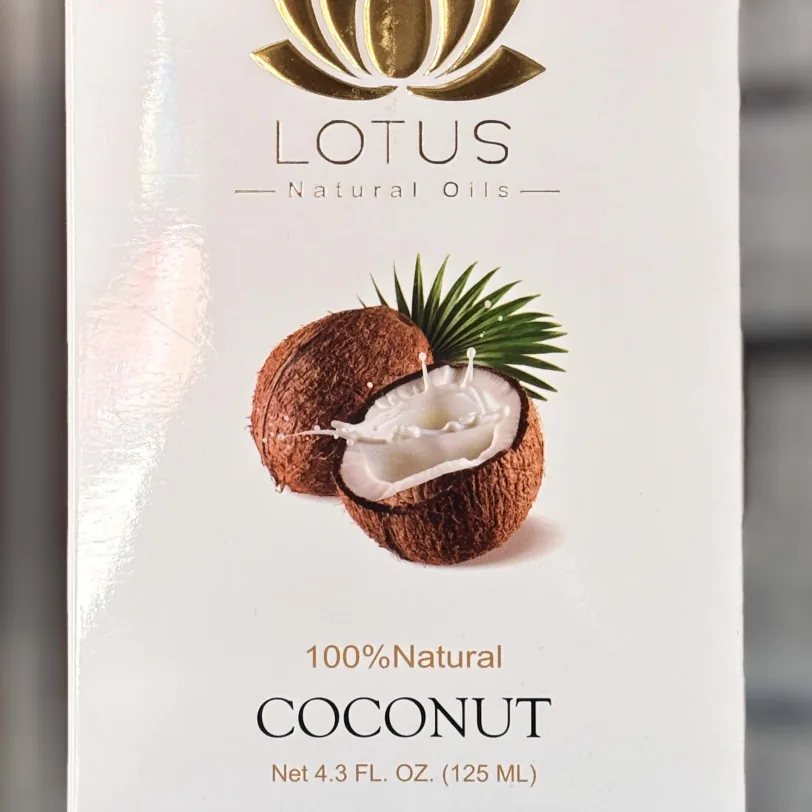
What coconut oil can do for hair and dry skin, where it can cause problems, and how to use, choose and store it on holiday.
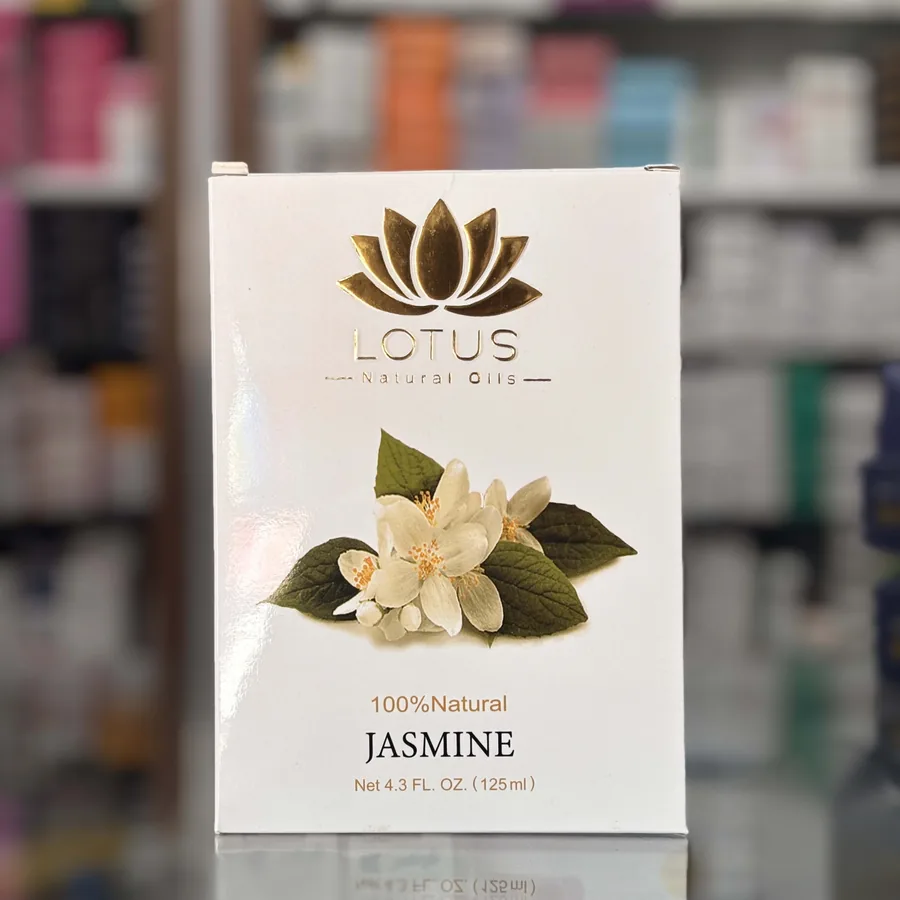
Egypt grows much of the world's jasmine for perfume. What a jasmine oil for skin usually contains, how to use it, and how to avoid a fragrance allergy.
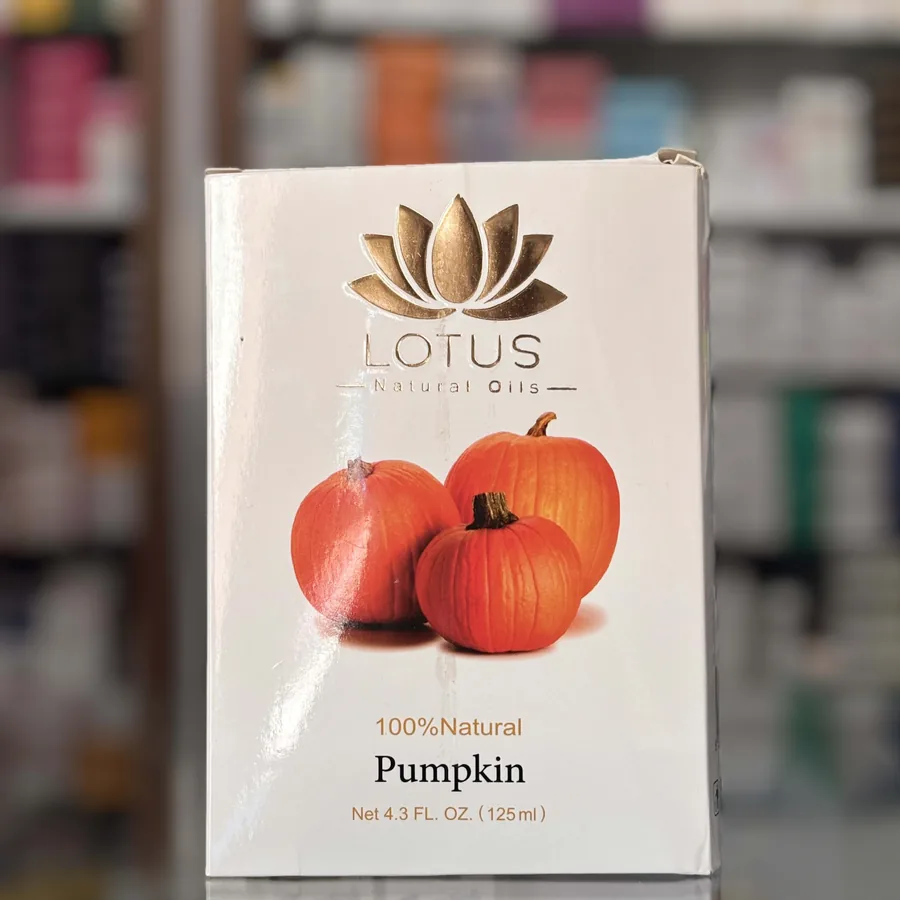
Two small studies suggest pumpkin seed oil may help some people with hair loss, but the evidence is weak. How to use it on hair and skin, and how to read the label.
Need something now?
Send a photo of the box or describe what you need. Free delivery to your hotel from $30.
Why choose us
5 pharmacies across Sharm El Sheikh
Open daily until 1:00 AM · All pharmacies